Examine the Base, Stem, and Candle Socket
Inspect the base, stem, and space intended for the candle. The drip pan, or bobeche, collects wax; it may be separate, missing, or replaced. A chamberstick with a handle has a different composition from a tall table candlestick. The Met holds a documented brass candlestick, providing a material reference without making all yellow-colored objects equivalent.
For a candelabrum, count the branches and inspect their connections. A loose arm, tilted cup, or off-center stem needs an explanation. Ask whether components come apart and whether all the drip pans belong to the same group. In a pair, compare profiles, height, and undersides. Slight differences may reflect manufacture or later assembly; they cannot settle that question on their own.
Compose a Display That Works from the Table
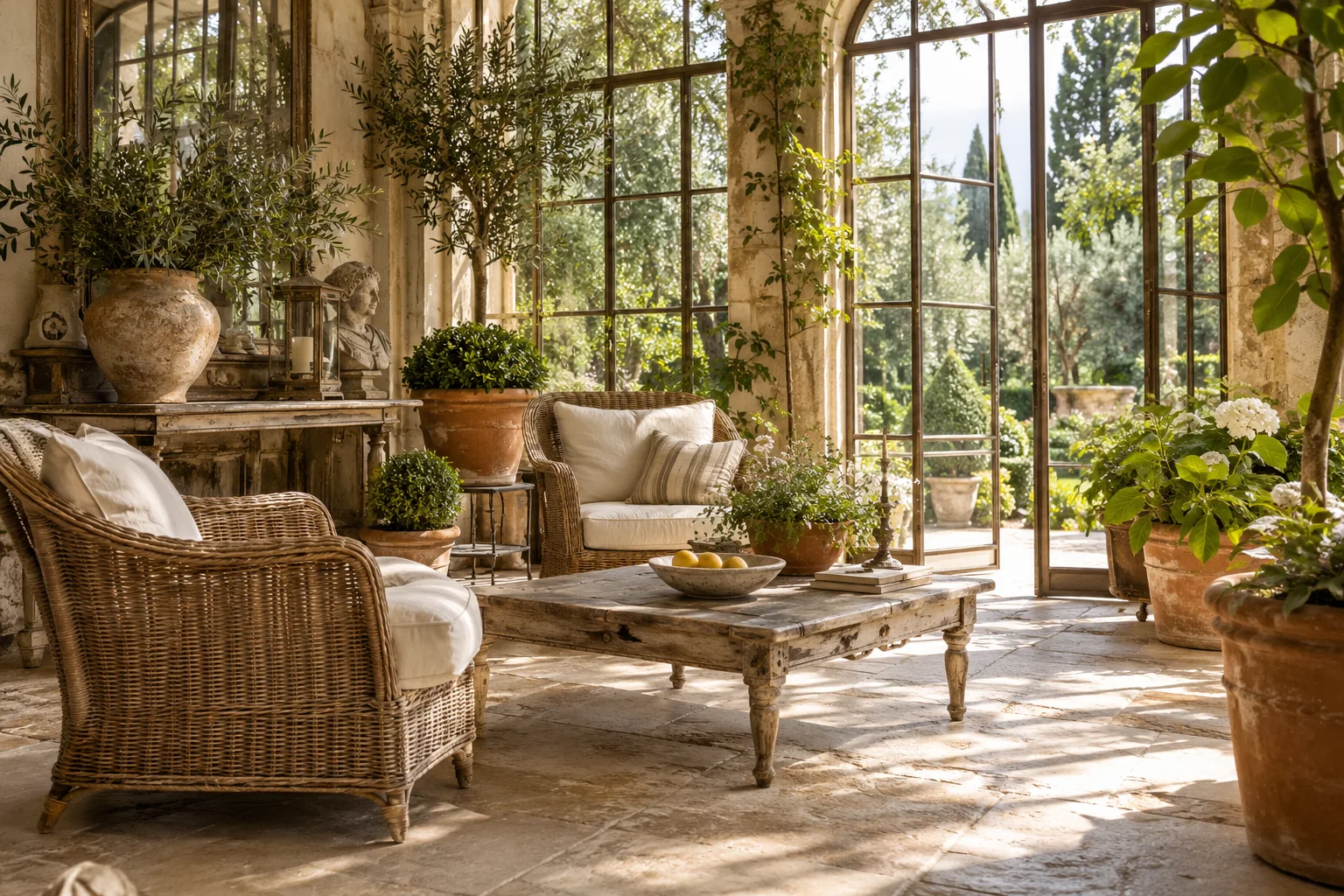
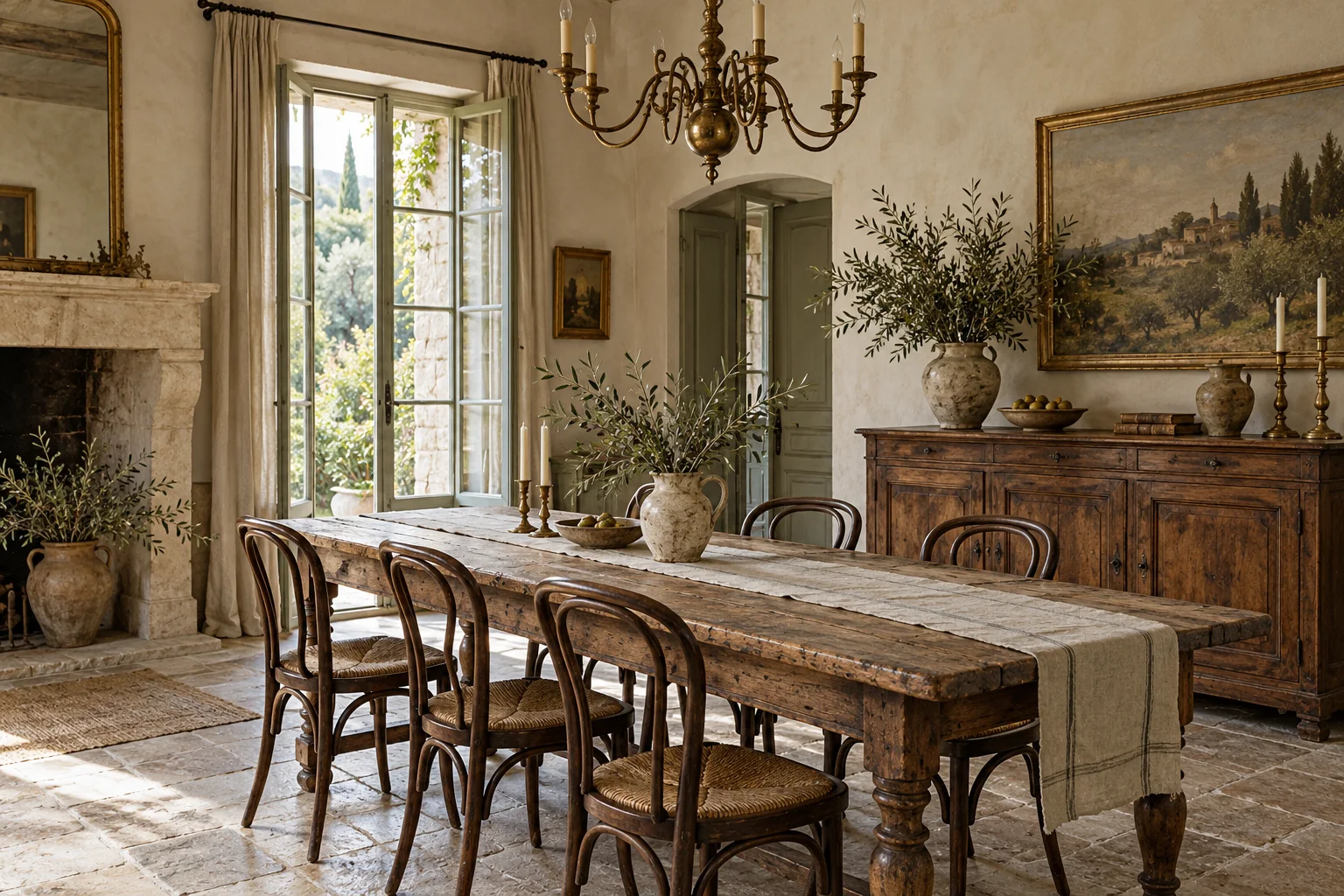
Our suggestion for a dining room is two candlesticks of similar height, a linen tablecloth, and a low ceramic at the center. Sit down before approving the arrangement: branches should not interrupt eye contact between guests. On a mantel, a pair can frame a mirror; a mixed group works better when materials remain related and height differences look intentional.
One large candelabrum may be enough on a console. Avoid surrounding it with numerous small shiny pieces, which make its outline harder to read. In a library, a single candlestick near books can be displayed without a flame. For everyday atmosphere, a suitable electric candle provides the visual effect without heating the object; check that it fits without forcing the socket.
Choose a Condition Suitable for the Intended Display
Place the object on a level support and observe its contact points without pushing it. A distorted base or missing weight may compromise stability. Also examine soldered joints, cracks, and fasteners beneath the foot. Care depends on whether the surface is solid metal, plating, paint, or gilding; do not seek an even shine before identifying it.
A collectible object does not need to return to flame-based use. Wax traces should be assessed before removal, particularly around fragile decoration. If you intend to use real candles, have stability, candle support, and the object’s suitability checked; keep combustible materials away and never leave a flame unattended. For delicate pieces, simply choose decorative display and keep accessories separately identified.
What to compare
| Form | Arrangement | Inspection |
|---|---|---|
| Single candlestick | Table or console | Base and candle socket |
| Handled chamberstick | Small intimate grouping | Handle and drip pan |
| Candelabrum | Central focal point | Arms and connections |
Your buying checklist
Continue planning your room
Frequently asked questions
Can brass and bronze be distinguished by color?
Not reliably from a photograph alone. Wear, coatings, lighting, and treatments change their appearance. Ask for the material description and the evidence supporting it. If a care treatment needs to be chosen, have the surface examined; a product intended for solid metal may damage gilding, so an attractive color is not a sufficient basis for cleaning.
Do you need an identical pair?
A pair simplifies a symmetrical arrangement around a mirror, but is not essential. Two different models can work if their heights and volumes relate. However, check that the seller correctly describes an original pair, a matched pair, or two objects brought together. Those terms are not interchangeable and should remain distinct in the records you keep.
Can a candlestick be displayed without a candle?
Yes, particularly when its form or patina is the main attraction. Leave space around the socket so its design remains visible. Within a group, alternating empty objects and electric candles can create rhythm. Avoid wedging an oversized accessory into a fragile cup simply to complete the display; the object can be visually satisfying on its own.
What should you do about a missing drip pan?
Start by documenting the shape and asking whether a replacement exists. An approximately similar drip pan may alter the balance or fit poorly. For decorative display, the absence can remain visible and be described. For flame use, do not compensate with an improvised fix: have the complete system evaluated before deciding whether it is suitable.
Sources & further reading
- The Met — Candlestick, 41.160.387 — An example of a brass candlestick whose material is documented in the collection entry.