Plan storage around the dishes you own
Measure your largest platter, stacks of plates, and folded textiles. Compare these dimensions with the interior, allowing for the central upright and door openings. An object may fit inside a compartment without passing easily through its entrance. Decide which items need daily access and which will be used only when entertaining.
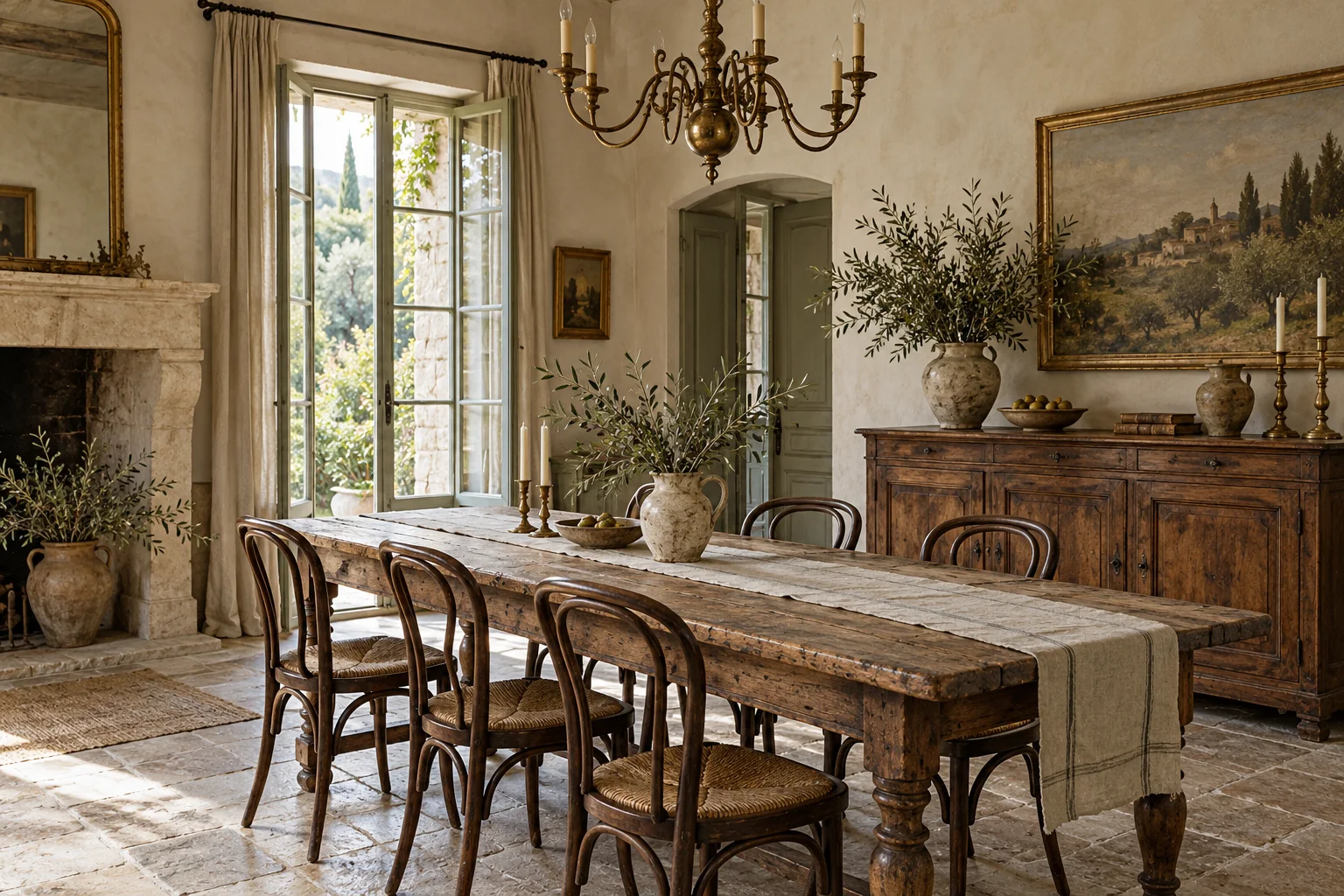
A long sideboard suits a broad low wall but requires a clear route along its full length. A taller buffet may free up floor space elsewhere. Test doors and drawers on a plan with the table and chairs in place. The top can provide occasional serving space if its surface and condition suit that use, without becoming permanently cluttered.
Check backs, shelves, and door alignment
Ask for views of the back, underside, and empty interior. Examine back panels, shelf supports, and areas carrying loads. A replacement shelf may not share the characteristics of the others. Ask for repairs and alterations to be specified. Open doors without force, observe their alignment, and record rubbing rather than immediately attempting to correct it.
Carved fronts and locks attract attention, but the dimensions and condition of less visible parts determine storage. Collect photographs of any labels or inscriptions. They may guide research without being enough to attribute the piece. Also check whether the top is integral, added, or removable when planning handling.
Arrange a top that stays useful
In a French country dining room, try one large vase and a painting rather than many small pieces. Keep an area free for a serving dish or stack of plates during meals. A lamp at one end can provide soft light, provided its discreet cable route does not interfere with the doors.
The Canadian Conservation Institute highlights risks from moisture and improper furniture handling. Choose the position accordingly and empty the piece before moving it. Seek care instructions based on the actual finish rather than wood color alone. Attractive patina is not a reason to apply the same product to the top and decorative details.
What to compare
| Option | Role in the room | What to check |
|---|---|---|
| Compact buffet | Concentrated storage near the table | Door opening and shelf heights |
| Long low sideboard | A long decorative line and serving surface | Access in front of every door |
| Buffet with upper cabinet | Display above storage | Connections between sections and anchoring |
Your buying checklist
Continue planning your room
Frequently asked questions
How deep should storage for platters be?
Measure your largest platters and compare them with the available internal depth. Check the useful opening between uprights too: a platter that enters only at an angle can be awkward to use. Make a list of priority objects before judging the number of shelves or the cabinet’s apparent capacity.
Can an antique sideboard be used in a kitchen?
It can if the location and use suit its materials. Consider heat sources, splashes, and traffic before deciding. A sideboard away from the sink can hold linens and dishes while contemporary cabinetry handles wet tasks. Ask for care instructions specifically suited to the existing finish before putting it into daily service.
How can a large mirror above a sideboard be balanced?
Draw the furniture, mirror, and planned accessories together. Look from the dining table as well as the room’s entrance. A mirror should provide an interesting reflection without competing with every object on the top. Test its dimensions with a template and provide mounting appropriate to the mirror’s own weight.
Do rubbing doors mean a sideboard is unusable?
Rubbing is an observation to explain, not a single conclusion. It may relate to installation, hardware, or the furniture’s condition. Do not immediately plane a door down. Have the cause examined, ask whether the issue is reversible, and include necessary work in your decision before filling the compartments with dishes.
Sources & further reading
- Canadian Conservation Institute — Furniture and Wooden Objects — Sensitivity of wooden furniture to light, humidity, and handling; no historical attribution.