What makes glass crystal
Crystal is not crystalline; it is glass with added oxides. Traditional lead crystal contains roughly 24–32 percent lead oxide, which raises the refractive index, adds weight and softens the glass so that a cutter’s wheel bites cleanly. European labelling rules have, since the late 1960s, reserved the words lead crystal for glass with at least 24 percent lead oxide and crystal glass for lower oxide contents; modern lead-free crystal replaces lead with barium, zinc or potassium oxides and looks very similar.
Three tests help, none proves. Weight: a crystal glass is noticeably heavier than a pressed glass of the same size. Ring: tapped with a fingernail, crystal gives a long clear note. Refraction: held to daylight, the cut edges throw small rainbows. A fourth clue is the cut itself, sharp under a fingernail where pressed patterns are soft. Marks settle attribution and nothing else: French houses etched signatures on the foot, many only from the 1930s onward, so attribute by mark only and describe the rest as crystal-style. The journal’s glasses and decanters catalogue applies that rule to every lot.
Lead and safe use
Lead migrates slowly from crystal into liquids, and faster into acidic ones such as wine, fruit juice and spirits. Health authorities generally advise against storing drinks in lead crystal for days or weeks, which is the case of the decanter left full on a tray. Drinking from a crystal glass during a meal is a short contact; many authorities consider it low risk for adults, while advising caution for pregnant women and children. The practical rule is simple: crystal serves, it does not store.
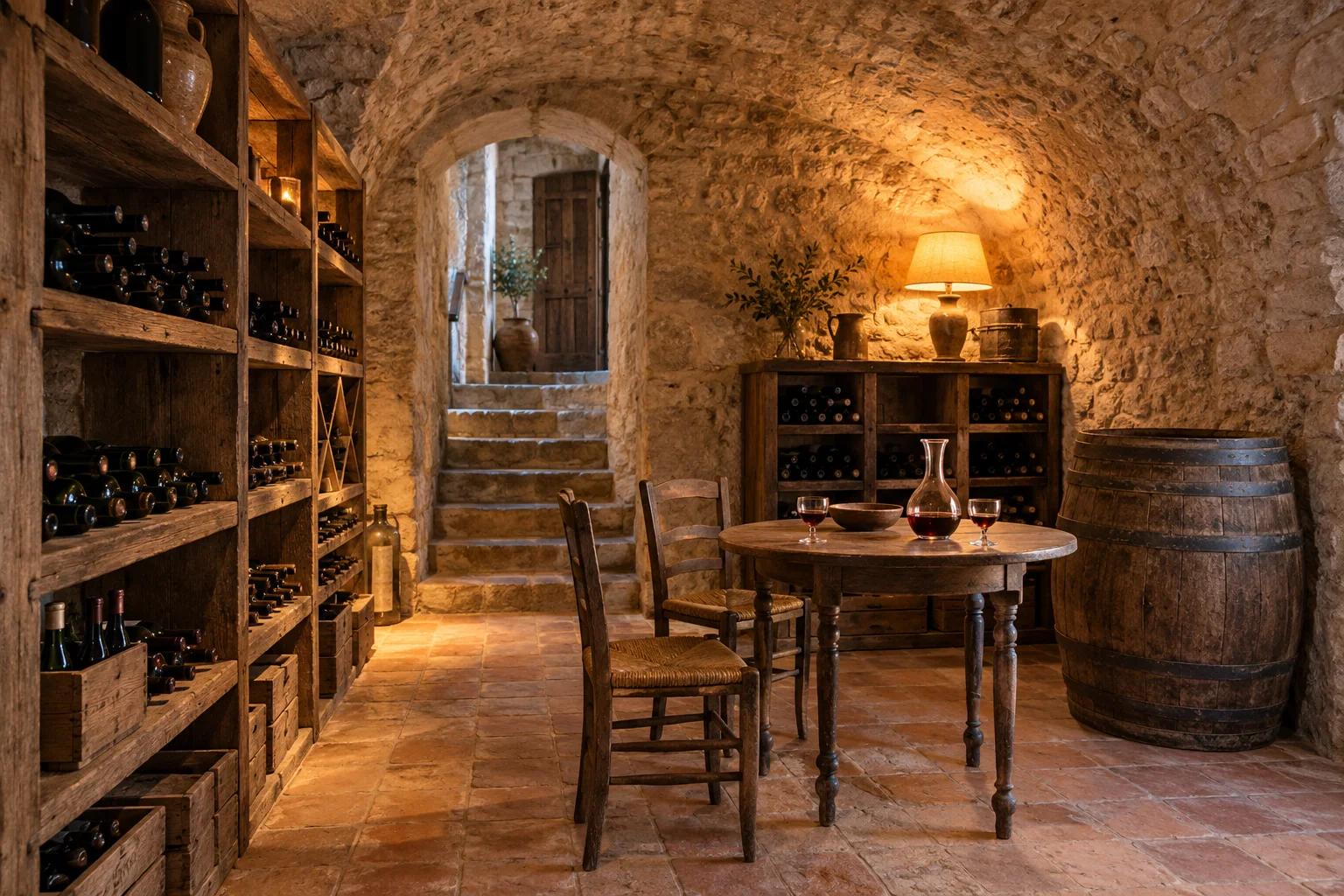
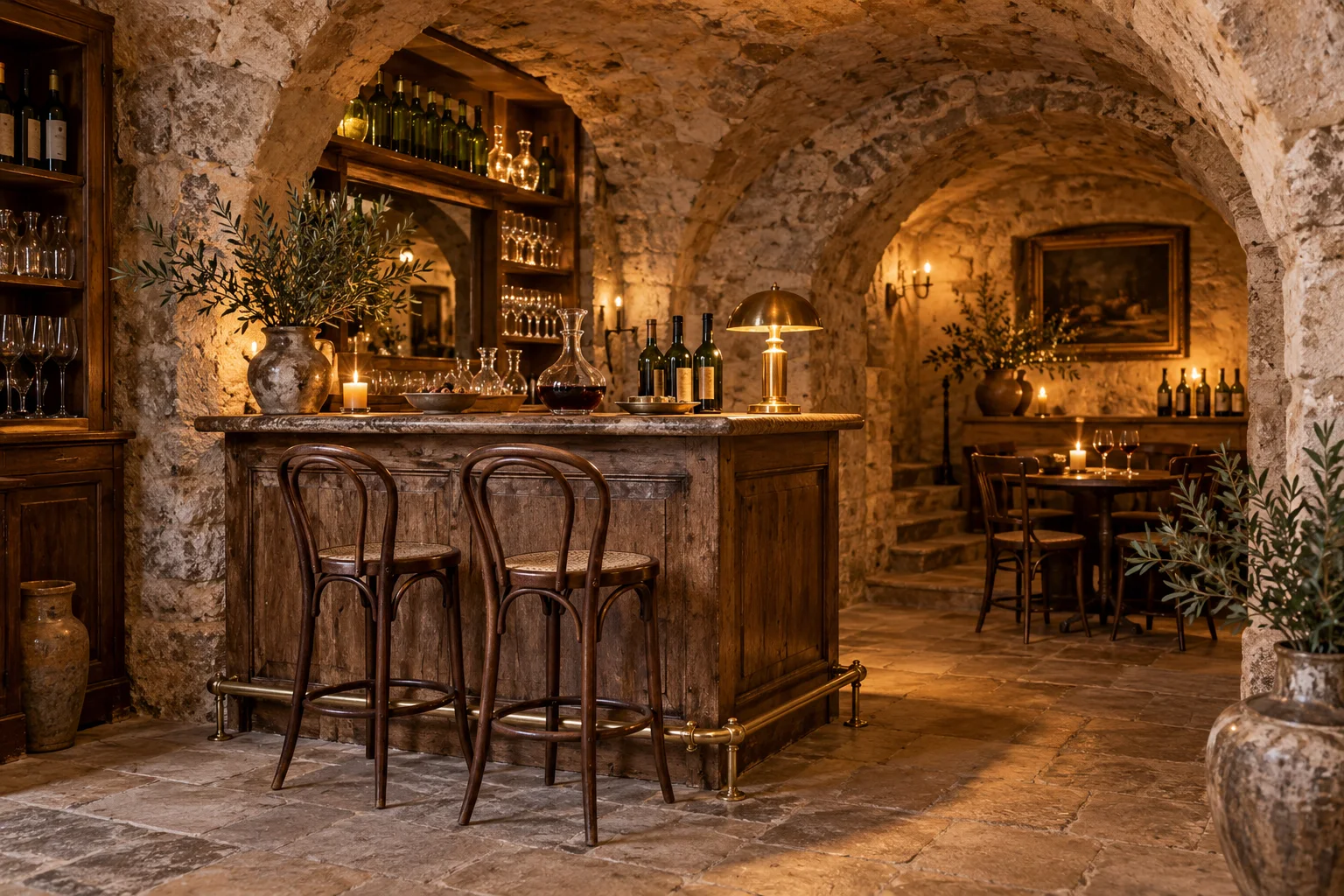
Use a crystal decanter to pour a wine or a spirit at the table and empty it the same evening; keep the bottle for storage. Reserve crystal for adults and occasions, use pressed or soda glass for children and daily juice, and never use crystal for pickling or preserving. The wine cellar and tasting room ideas show decanters in use rather than on permanent display with their contents.
Cloudiness, chips and cleaning
Two kinds of cloud look alike and behave differently. Mineral film from hard water and wine residue sits on the surface and lifts with a soak in warm water with a splash of white vinegar, or with a handful of uncooked rice swirled in a decanter. Sick glass is corrosion inside the glass itself, caused by repeated dishwasher cycles or decades of damp storage; it is permanent, and no polish restores it. Hold the piece to daylight after a soak: a cloud that remains is sick glass.
Check rims and feet with a fingernail for chips, and cut edges for flakes; look through the stem for cracks at the bowl join. Wash by hand in warm water, one piece at a time, with a little detergent, rinse, and dry with a lint-free cloth; dry decanters upside down on a rack so the base does not sit in water. Store upright and unstacked, away from a shelf that vibrates. The Canadian Conservation Institute’s guidance on ceramic and glass objects gives the same rules for a collection: no thermal shock, no abrasives, careful handling of cut edges. Barware to match is in the barware and wine accessories catalogue, and the wider table in our French country accents guide.
What to compare
| Form | Suggested Use | Decisive Check |
|---|---|---|
| Cut crystal stemware | Occasions and display | Rim chips and permanent haze |
| Crystal decanter | Serving, not storing | Stopper fit and lead migration |
| Pressed crystal bowl | Everyday table | Mould seams and cloudiness |
Your buying checklist
Continue planning your room
Frequently asked questions
How can I tell if vintage glassware is lead crystal?
Lead crystal is heavier than ordinary glass of the same size, rings with a long clear note when tapped, throws small rainbows from its cut edges in daylight, and feels sharp under a fingernail where the pattern is cut. An etched signature on the foot settles the maker; without one, describe the piece as crystal-style rather than attributing it.
Is it safe to drink from vintage lead crystal?
A glass used during a meal is a short contact, which many health authorities consider low risk for adults; the same authorities advise caution for pregnant women and children. The real caution is storage: wine, juice and spirits left in lead crystal for days absorb lead. Use crystal to serve and empty it the same evening.
Can cloudy crystal be cleaned?
Sometimes. Mineral film from hard water and wine lifts with a soak in warm water and a splash of white vinegar, or with uncooked rice swirled inside a decanter. Sick glass, which is corrosion inside the glass from dishwashers or damp storage, is permanent. Hold the piece to daylight after a soak: a remaining cloud will not come out.
Why is vintage crystal glassware so heavy?
Because of the metal oxides added to the glass. Traditional lead crystal contains roughly 24–32 percent lead oxide, which increases density as well as brilliance and makes the glass soft enough to cut deeply. Modern lead-free crystal uses barium or zinc oxides and weighs a little less while looking very similar.
Sources & further reading
- Canadian Conservation Institute — Caring for ceramic and glass objects — Supports gentle hand washing, careful handling of cut edges and avoiding thermal shock and abrasives.