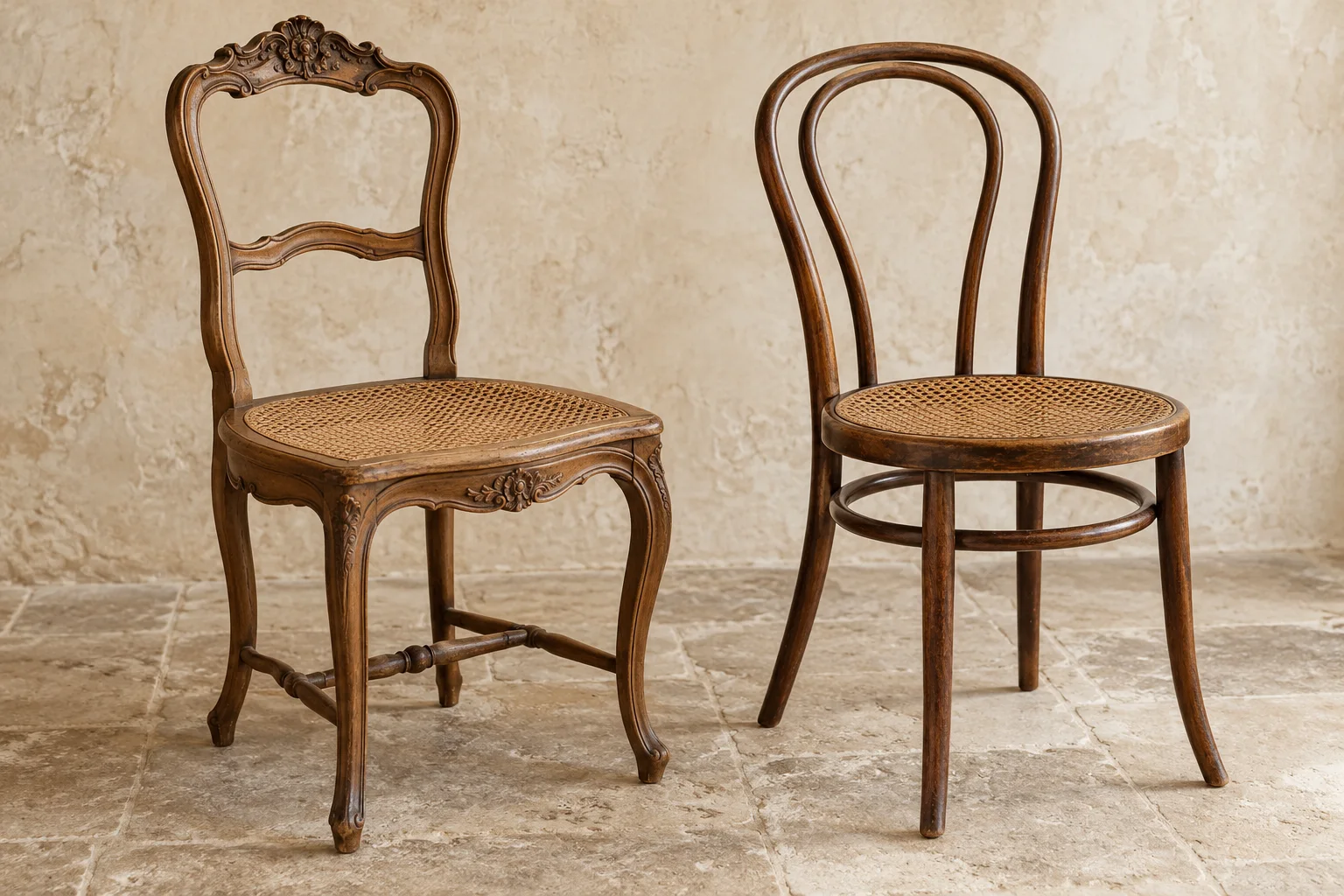
 AI-created styling idea
Seating
Bistro & dining chairs
Turn the chair over: drilled holes mean hand cane, a groove means sheet cane.
ExploreFrench Country · An inspiration catalogue
Rattan and cane furniture uses the same climbing palm twice: the solid rattan stem makes frames, and its thin outer skin, cut into strands, is woven into cane seats and backs; wicker is the weaving technique. In France this family runs from Louis XV cane chairs to Paris terrace chairs, bentwood and rush seats.
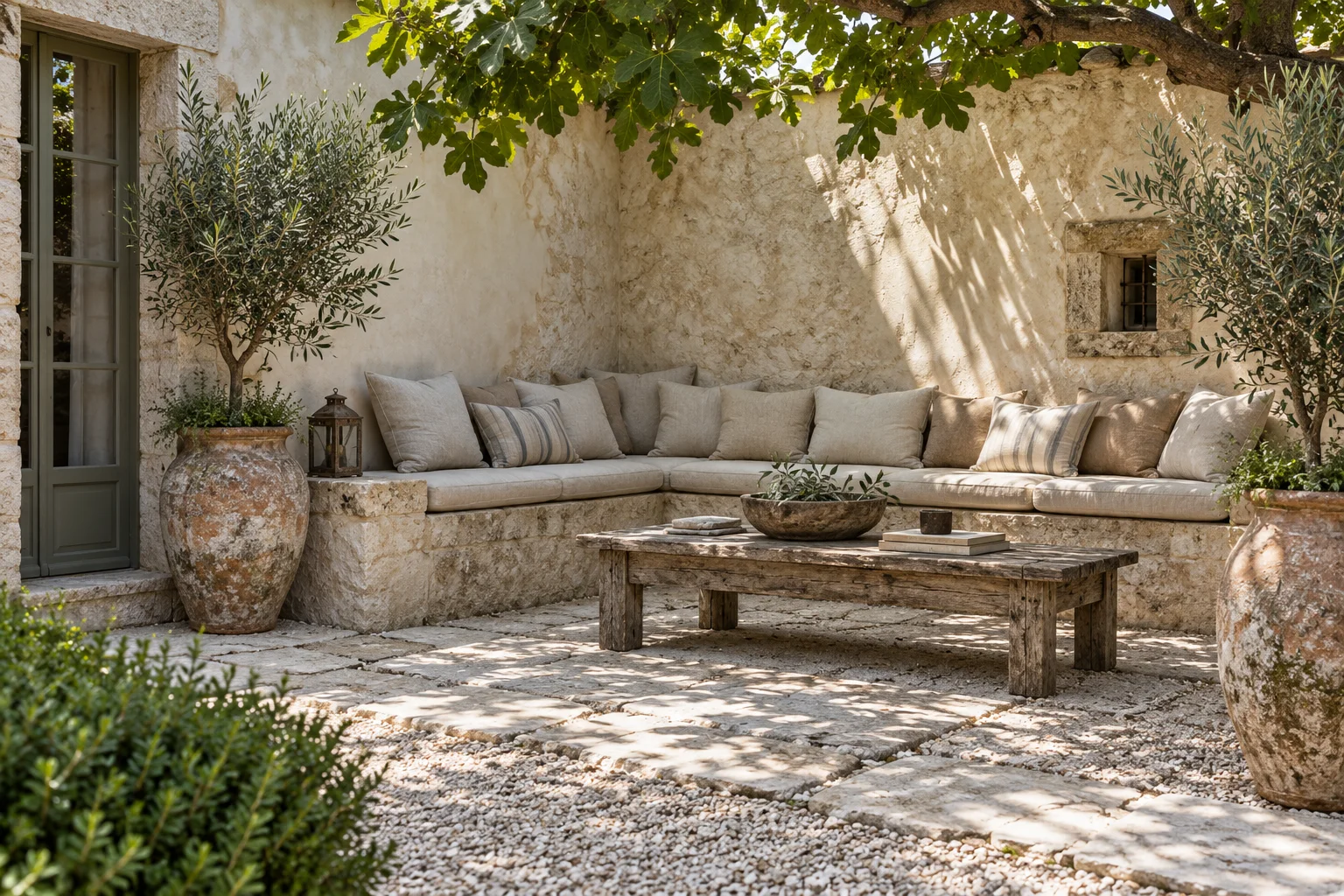
Rattan and cane furniture is light, cool to sit on and easy to move, which is why French dining rooms, cafés and terraces have used it for three centuries. Designers return to it for the same reasons: in its 2026 trends survey, 1stDibs reported that wicker and rattan furniture was cited by 27% of the designers it polled (see the 1stDibs survey press release). Sellers use the four words loosely; they mean different things.
Rattan is a climbing palm from tropical Asia with a solid, flexible stem, unlike hollow bamboo. Steamed and bent, thick rattan poles make the frames of armchairs, sofas and tables, with joints wrapped in binding. Rattan is strong in tension and light: a rattan armchair often weighs under 15 lb (7 kg).
Cane is the glossy outer skin of the rattan stem, cut into narrow strips. Woven by hand through holes drilled in a seat frame, it gives the open, octagonal mesh the French call cannage. Machine-woven cane, sold in sheets, is pressed into a groove and held with a spline. Both look similar from a distance; the frame tells them apart.
Wicker is a technique, not a material: any pliable strand woven around a frame, whether rattan core, willow (osier), paper fiber or synthetic resin. Rush is different again: twisted leaves of marsh plants, or twisted paper, wound around a seat frame to make the chaise paillée of French country kitchens.
French cane seating appears on Louis XV and Louis XVI style dining chairs and bergères, on dressing-table chairs and on bentwood bistro chairs. Our guide to French cane chairs, cannage styles and repair explains how to tell hand-caned seats from pressed sheet cane and when damage can be repaired. For the carved provincial frames, Lo Cantou explains French Provincial furniture, and our French Provincial style page sets it beside French country.
The Paris café terrace chair has a rattan frame woven with colored strands in patterns, built to be stacked, moved and left outside under an awning. Inside the bistro, the bentwood chair dominated; in parks, the metal chair. Our guide to French bistro chairs compares the three families, their sizes and their care.
Bentwood chairs are made from solid beech rods softened with steam, bent around forms and screwed together; Michael Thonet industrialized the method in Vienna, and his model No. 14 of 1859 became the archetypal bistro chair. Many firms followed. Seats come in cane, pressed wood or solid wood; see bentwood chairs: labels and checks.
Mid-twentieth-century France produced rattan terrace armchairs, rattan-and-bamboo cabinets, wicker sofas and woven headboards for holiday houses and verandas. Our guide to French rattan and wicker furniture covers vintage forms, period versus new and care.
Turn a cane chair over. Hand caning passes through a row of drilled holes around the seat, with the strands tied off underneath and pegs or a binding strand covering the holes. Sheet cane sits in a single groove with a spline; it is not wrong, but it is usually a later or factory seat. Look at the wear on the rail where hands and feet have touched it for decades.
On rattan frames, check the wrapped joints: original binding is tight, darkened and worn smooth; new binding is pale and sharp. Nails or staples may hold later repairs. Old rattan often carries layers of paint or varnish; a crisp, uniform finish with no wear at the arm ends suggests recent production or refinishing. Describe what you see rather than a date.
Some bentwood makers stamped or labeled the underside of the seat ring; some terrace chair makers fixed small plates. A label supports an attribution if it matches documented forms; a "Thonet-style" chair without one is described by form. Attribute only by mark, as with every guide in this series.
Press the center of a cane seat: it should spring back. A dished seat or broken strands at the front rail mean re-caning soon. On wicker, look for loose ends and gaps where strands have snapped; small repairs are possible, wide breaks are not. On rush seats, sagging and a hole at the front edge are the usual failures, explained in our guide to chairs with rush seats.
Natural rattan, cane and rush dislike rain, constant sun and very dry heating. Use them on a covered terrace or a veranda, bring them in for winter, and keep them away from radiators, which make cane brittle. The Canadian Conservation Institute's notes on basic care of furniture, wooden objects and basketry explain why stable humidity matters for woven plant materials.
A hand-caned seat is a craft job, often taking a full day or more per chair; sheet cane is quicker to replace. Re-rushing in natural rush or paper rush follows the same logic. Ask the restorer which material and method they will use, and keep the work faithful to the original seat where possible.
Dust woven furniture with a soft brush or a vacuum on low with a brush head. Wipe with a cloth barely dampened in mild soapy water, then dry in the shade. Avoid soaking, which loosens joints and swells strands unevenly.
Dining chairs suit a seat height of about 17–19 in (43–48 cm) for a table of 29–30 in (74–76 cm). Counter stools need about 24–26 in (61–66 cm), bar stools about 29–31 in (74–79 cm). Old French chairs can be lower than modern ones; measure the seat at its front edge, not the frame.
Cane, rush and bentwood mix well around a farmhouse table if the seat heights match within about 1 in (2.5 cm) and the wood tones are close. Our pages on French country chairs and French country dining tables show combinations.
Ask for photographs of the underside, the seat and every repair. Lo Cantou lists woven and caned seating with these details. A designer furnishing a terrace or a dining room for a client can send a brief to Antiques 360 and receive documented pieces with the landed cost known upfront.
Rush-seated chairs belong to the kitchen table; cane-back chairs and bentwood suit the dining room. Our guide to French country furniture places them among the larger pieces.
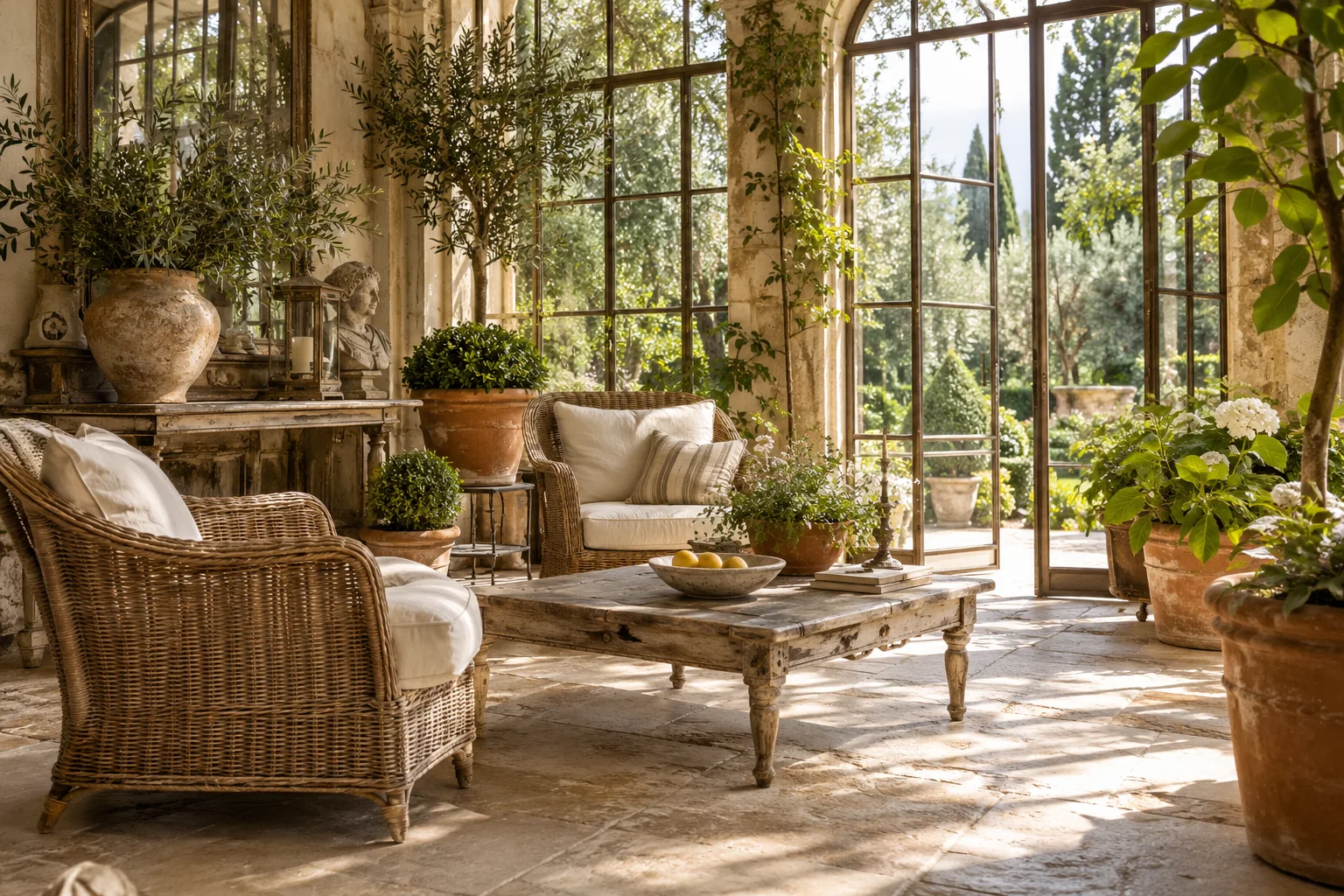
Rattan armchairs and a wicker sofa make a sunroom; terrace chairs and a small bistro table suit a covered patio. In the open garden, iron is safer than woven furniture; see our French country garden page.
A cane-backed headboard, a wicker chair by the window or a caned bergère suits the bedroom. In the living room, one rattan armchair lightens a room of upholstered seating; our French country living room page shows the balance.
Each guide takes one kind of French woven or bent seating, with the checks before you buy and the care that keeps it sound. New guides are added as they are published.
AI-created styling ideaSeating
Turn the chair over: drilled holes mean hand cane, a groove means sheet cane.
Explore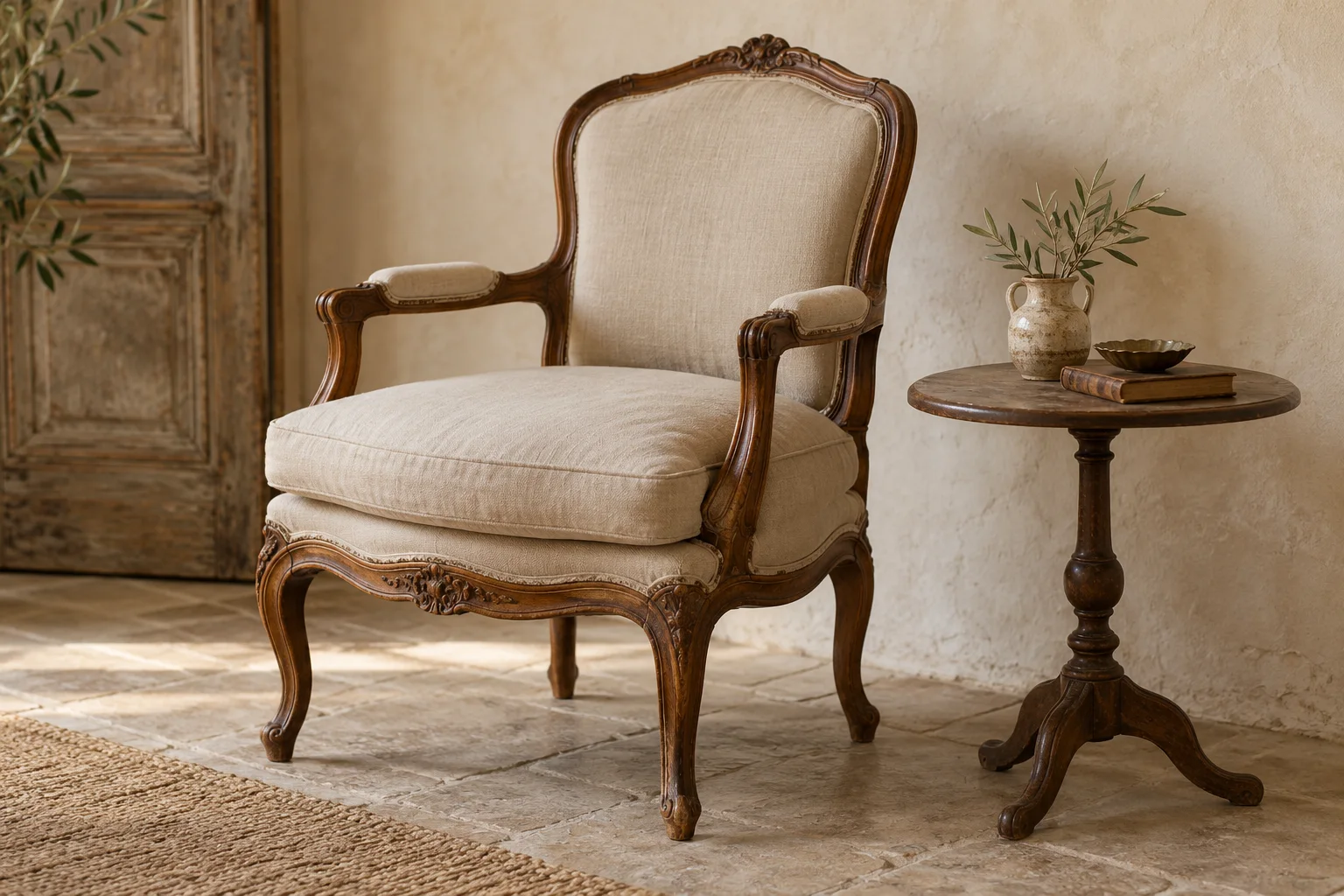 AI-created styling idea
 AI-created styling idea
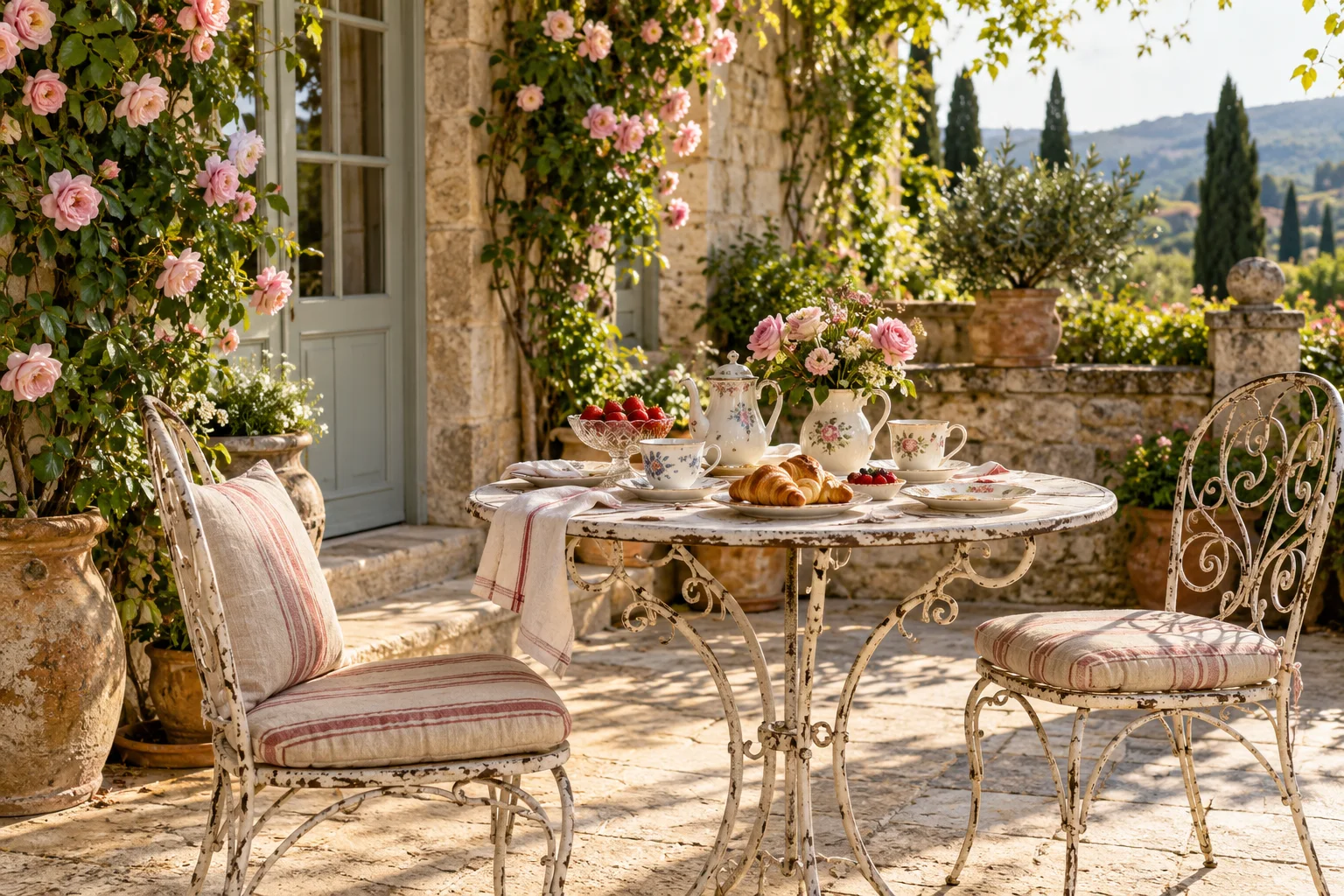 AI-created styling idea
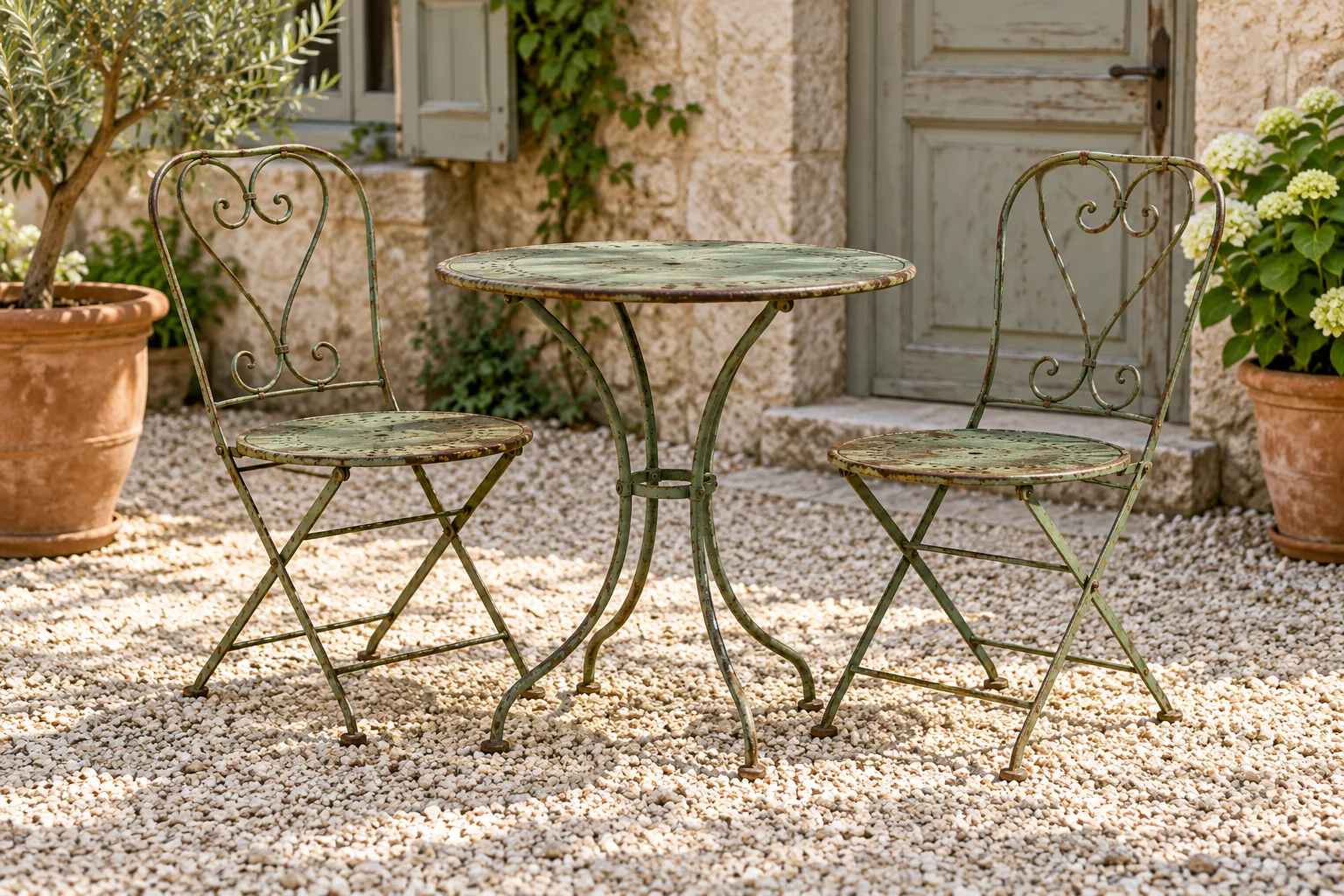 AI-created styling idea
 AI-created styling idea
Baskets & boxes
Willow and rattan baskets: look for broken strands and a sound base.
ExploreRattan is a solid climbing palm whose stems make furniture frames. Cane is the thin, glossy outer skin of rattan, cut into strips and woven into seats and backs. Wicker is not a material but a weaving technique, which can use rattan core, willow, paper fiber or synthetic strands. A single chair can combine all three.
Only under cover. Natural rattan, cane and rush dislike rain, standing damp and constant strong sun, which make strands swell, fade and split. A covered terrace or veranda suits them; bring them indoors for winter. For uncovered gardens, choose iron or furniture woven in synthetic resin made for outdoor use.
Look under the seat. Hand caning passes through a row of drilled holes around the frame, with strands tied off underneath and the holes covered by pegs or a binding strand. Sheet cane is machine-woven, pressed into a single groove and held by a spline. Both are legitimate; hand caning is more typical of older and higher-quality chairs.
Yes. A few broken strands can sometimes be patched, but a sagging or torn seat is usually re-caned completely. Hand caning is a slow craft job, often taking a day or more per seat; sheet cane is quicker to replace. Ask the restorer which method they will use and keep the new seat faithful to the original.
Dust with a soft brush or a vacuum fitted with a brush head on low suction. Then wipe with a cloth barely dampened in mild soapy water and let the piece dry in the shade. Avoid soaking, hoses and strong cleaners, which loosen joints, swell strands unevenly and can lift old paint.
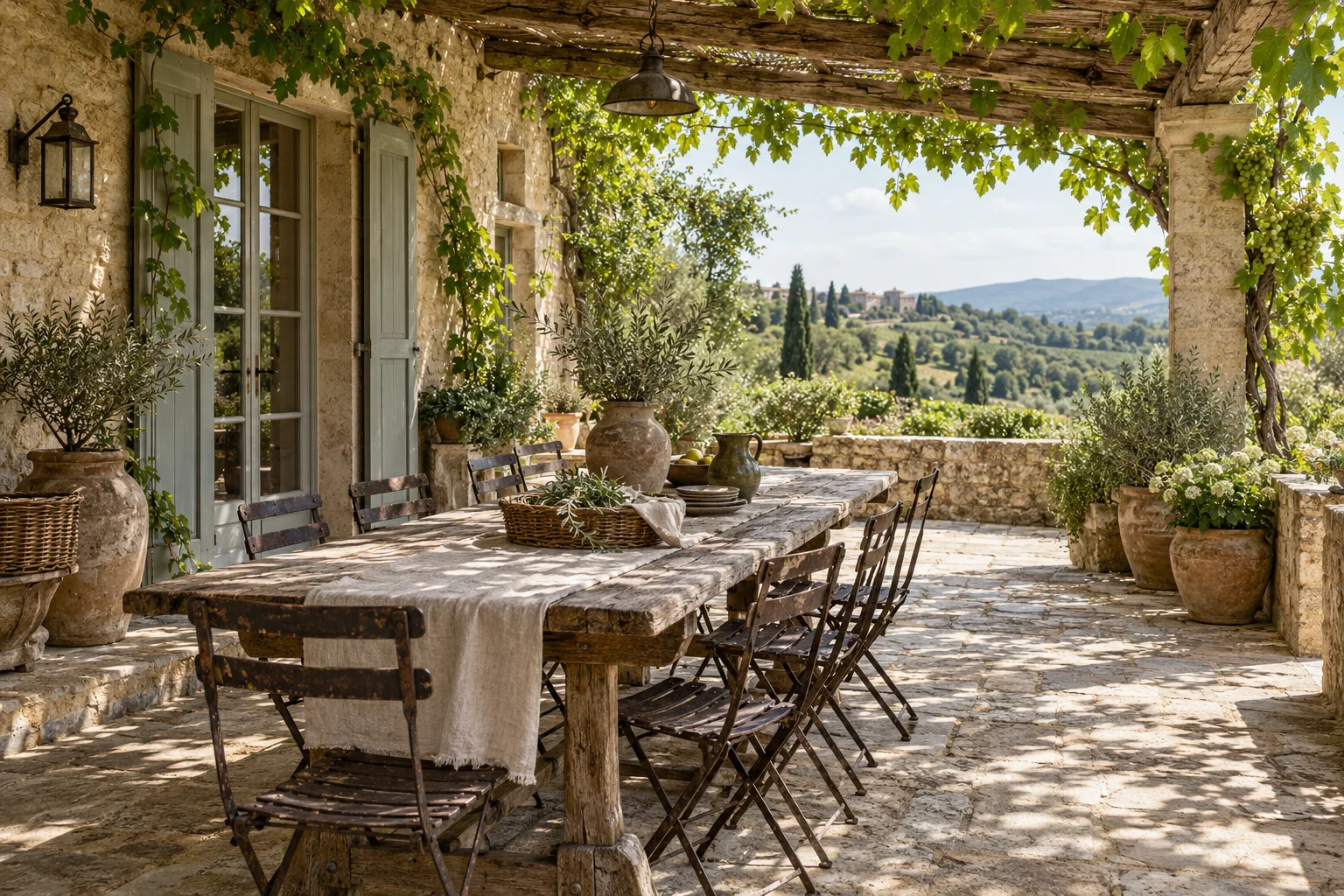
Nov 6, 2026 · Antique guide
Vintage metal chairs bring the terrace indoors.
Nov 6, 2026 · Antique guide
Choose the shape and distinguish the condition of the frame from that of the fabric.
Nov 5, 2026 · Antique guide
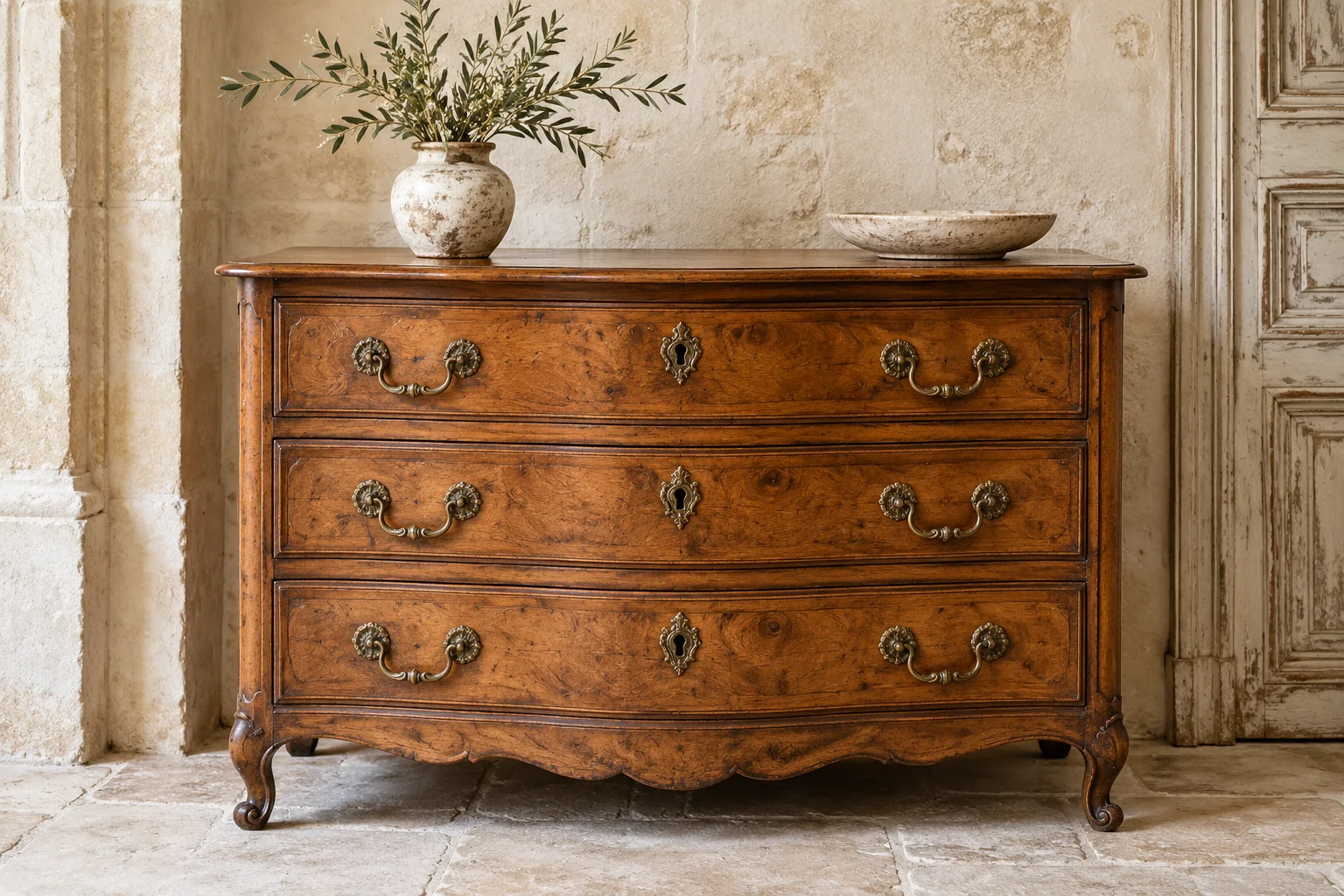
"Louis XV commode" can mean three different pieces of furniture: a period chest, a later Louis XV style chest, or a regional walnut commode.
Nov 5, 2026 · Antique guide
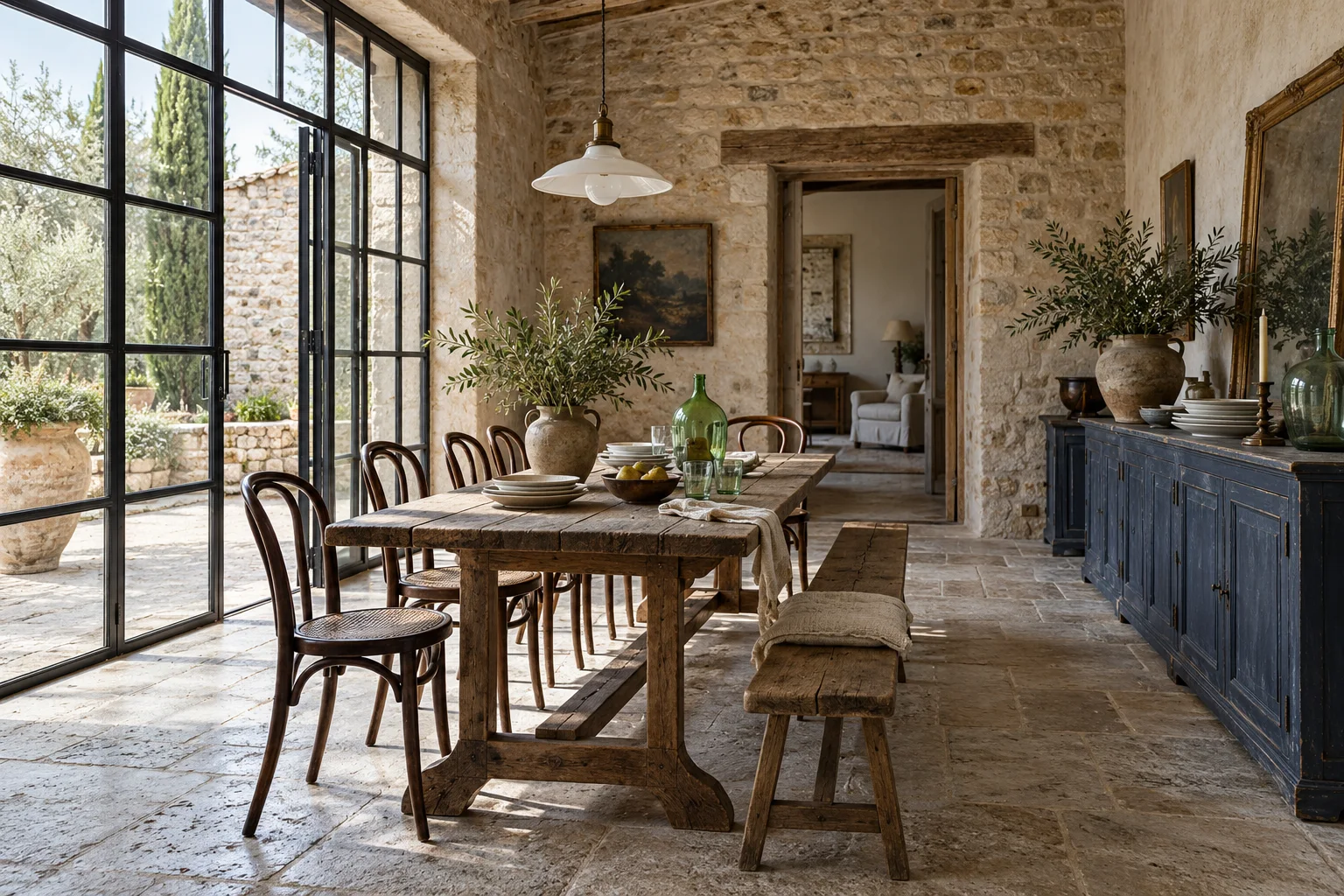
Vintage dining chairs made between 1920 and 1970 are the easiest antique seating to live with: factory-made, sturdy, and plentiful enough to assemble a set.
Nov 4, 2026 · Antique guide
Antique dining chairs rarely arrive in the number you need.
Nov 4, 2026 · Antique guide
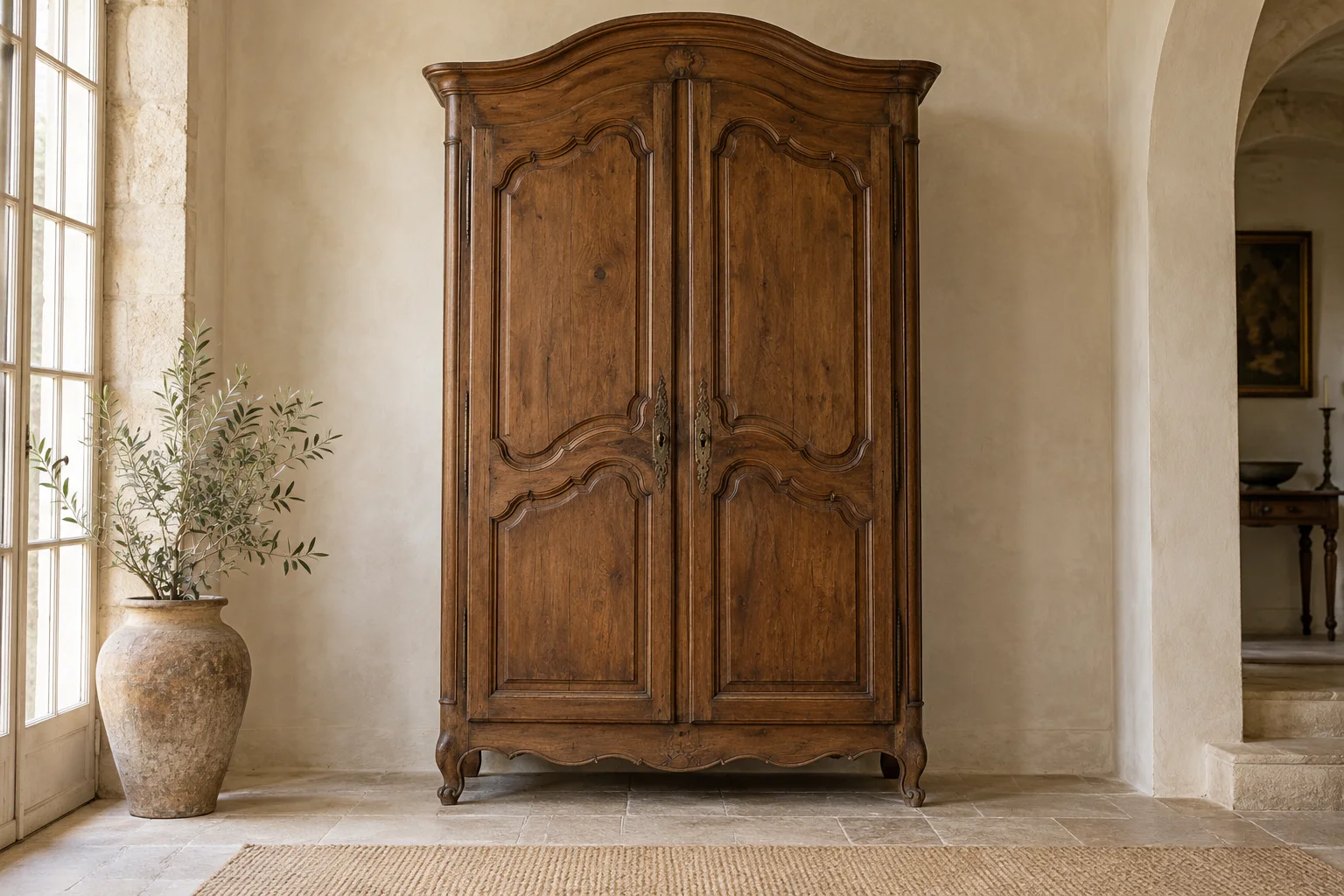
Compare exterior size, interior storage and delivery constraints when choosing an armoire.