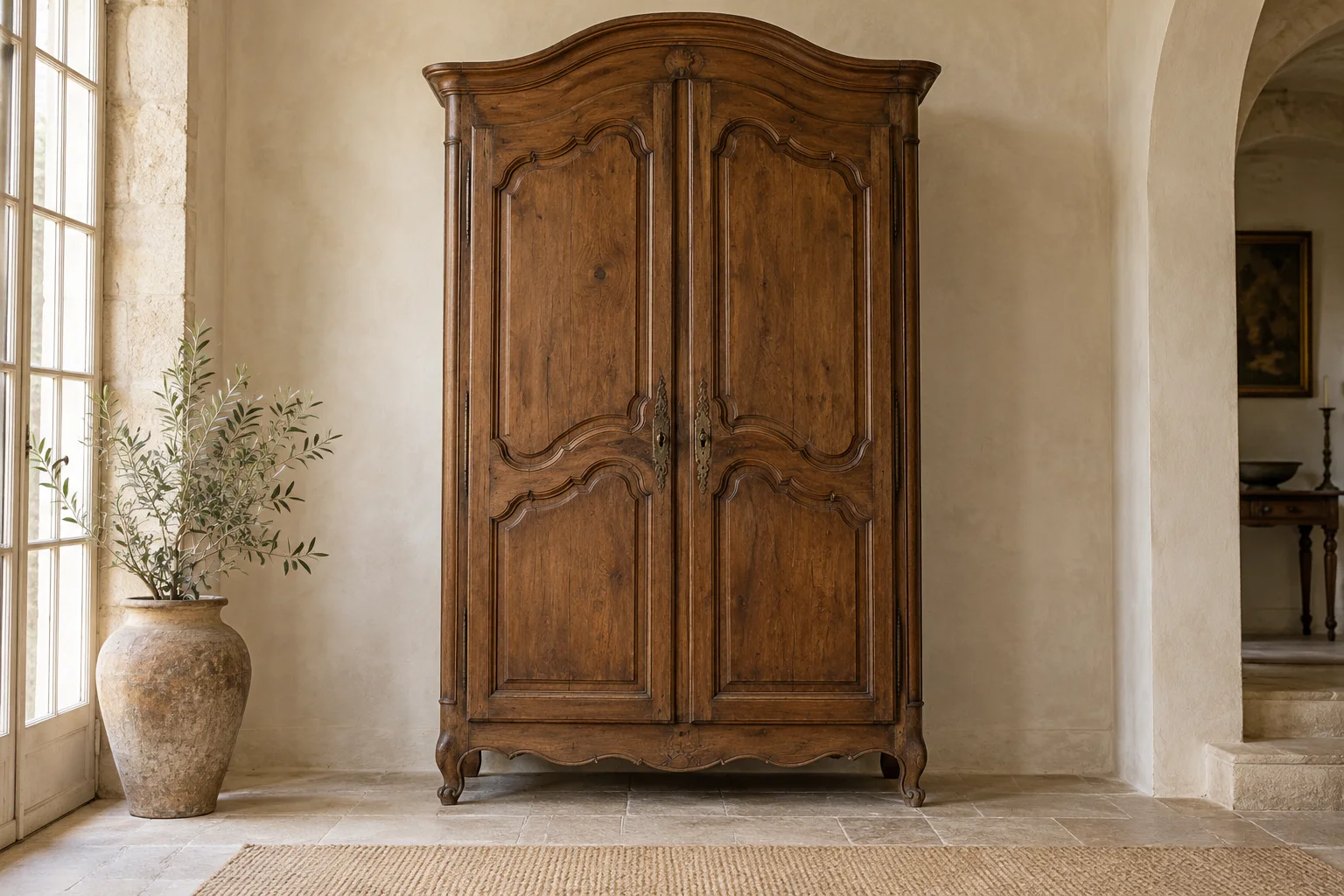
 AI-created styling idea
Furniture
Armoires & wardrobes
Identify the wood inside the doors, then check the pegs, the cornice and the route into the room.
ExploreFrench Country · An inspiration catalogue
Antique wood furniture in a French country house is mostly oak, walnut, cherry, chestnut and pine, and each wood tells you how to read, place and care for the piece.
Oak (chêne) is the commonest wood in French antique wood furniture from the north and west. It is heavy, open-grained and honey to gray-brown, darkening with age and wax. On quarter-sawn boards, oak shows silvery ray flecks, short shiny streaks across the grain; that figure is the easiest test. Oak takes carving well but is usually left plain on country pieces, with the decoration kept to the cornice and the apron of an armoire or a buffet.
Walnut (noyer) is finer and denser in grain, chocolate to gray-brown, sometimes with darker streaks. It carves crisply, which is why carved cornices, cabriole legs and shaped aprons in the southwest and the Rhône valley are so often walnut. Walnut has no ray flecks. It fades toward a soft golden brown in sunlight, so the inside of a door is often darker than the outside, a useful sign of age when the difference is gradual and even.
Cherry (merisier) is pinkish when fresh and deepens to a warm red-brown; its grain is fine and close, with small dark gum flecks. Pear and other fruitwoods are paler and very even, which made pear a favorite for small pieces and for wood stained black. Fruitwood boards are narrower than oak or walnut, so wide tops are often made of two or three boards. Fruitwood pieces are usually lighter to lift than oak of the same size.
Chestnut (châtaignier) looks like oak but has no ray flecks; it was used in the southwest and the Massif Central. Pine and fir are soft, pale and resinous, common in mountain areas and often painted. Elm, with its wavy, interlocked grain, appears on tabletops and workbenches. Beech is the usual chair wood: hard, fine, without visible figure, often stained or painted. The USDA Wood Handbook describes the density and movement of each species.
Drawer sides, backs, bottoms and interior shelves are often in a cheaper secondary wood: poplar, pine, fir or a lesser oak. This is normal practice on period and later pieces and does not lower interest. Secondary wood should show the same age as the show wood: dry, oxidized, with tool marks. A fresh, pale back on an old front suggests a replacement, which is acceptable when the listing says so.
Country pieces were usually finished with beeswax, sometimes over a thin oil. Finer pieces received shellac applied with a pad, the French polish (vernis au tampon), which gives a deep, glassy shine. Wax looks soft and can be renewed; shellac turns white with water and alcohol rings and needs a restorer to revive. Modern polyurethane looks plastic and thick in corners, and is the hardest finish to reverse on an antique.
Paint on French country furniture can be original, later or recent. Original paint is thin, worn at handles and edges, and often shows several layers in a chip. Limed oak keeps white in the open grain. Scrubbed tops on kitchen tables were washed with sand and water for decades, leaving the soft grain lower than the hard. All three are legitimate finishes; what matters is that the listing says which one you are seeing and how old it is.
Patina is the slow change of color and surface from light, air, wax and hands. Distressing is wear added on purpose. Real wear sits where use falls: drawer runners, the front edge of a top, stretchers under feet. Regular dents, wormholes in neat lines and wear on surfaces nobody touches are decorative. Our journal guide to distressed wood furniture, real wear against decorative distressing shows examples side by side.
In a French country living room, one large wooden piece sets the tone: a walnut buffet under a mirror, an oak armoire used as a bookcase, or a long bench against a wall. Mix no more than two or three wood tones, and repeat each at least twice. Keep large pieces 2 in / 5 cm from outside walls so air can move behind them.
The French country kitchen uses scrubbed or waxed wood for work: a worktable, a dough box (pétrin), a dresser with plate racks. In the dining room, the farmhouse table is the main wooden piece; a standard height of 28–30 in / 71–76 cm suits modern chairs. The guide to antique wooden dining tables, their construction and extensions covers sizing in detail.
The bedroom is the room of the armoire. In a French country bedroom, a walnut or cherry armoire, a carved bed and two bedside cabinets give enough wood for the whole room. Read the article on pegged armoires and how they come apart for moving before buying one for an upstairs room. Keep bedside cabinets with marble or wood tops away from radiators.
Antique indoor furniture does not belong outside: rain, sun and frost split oak and lift veneer within a season. In the French country garden, use old wood only under a roof, such as a covered terrace or a potting shed: a weathered bench, a scrubbed table, a wooden wheelbarrow used as a planter. For open ground, iron furniture is the traditional French choice.
Look at an unfinished surface first: the underside of a top, the inside of a drawer, the back. Grain, color and weight identify the wood more reliably than the finish. Ray flecks mean oak; fine close grain and a red-brown tone suggest cherry; dark fine grain suggests walnut. A regional name in a listing describes a tradition; the wood can be identified, the region cannot be proven from the wood alone.
Small round flight holes, 1–2 mm across, are old woodworm. The question is whether it is active: fresh pale dust (frass) below the holes, or holes with clean light edges, mean live insects and need treatment before the piece enters the house. Look also for splits along the grain, loose joints, replaced feet and a top that is younger than the base. Our page on French country furniture, piece by piece details the construction checks.
An antique is over 100 years old and is made as furniture. Reclaimed lumber furniture is new furniture made from old boards, beams or floors; it can be good, but it is not antique. The journal piece on reclaimed wood furniture in a French country home explains the difference. Homeowners can compare French provincial furniture at Lo Cantou. Designers can send a brief to Antiques 360 for three documented pieces within 72 hours from dealers in Occitanie, with age documentation for HTS 9706 when it applies, wood declared as the Lacey Act requires, ISPM 15 crates and the landed cost known upfront.
Wood moves with humidity: it shrinks in dry air and swells in damp. The Canadian Conservation Institute guidance on wooden furniture stresses stable conditions over perfect ones. Aim for a steady relative humidity in the middle range, roughly 40–55 %, and avoid sudden changes. Keep pieces away from radiators, fireplaces, air vents, exterior doors and strong sun, which bleaches walnut and darkens cherry. A shrinking panel that rattles in its frame is normal; a split top is a warning.
Dust with a soft, dry cloth, following the grain. Wipe spills at once. Wax a waxed piece once or twice a year at most, with a thin coat of paste wax buffed hard; more wax only builds a sticky layer that catches dirt. Avoid silicone sprays and oil polishes, which leave residues that complicate later restoration. Do not wax over shellac or paint without asking a restorer first.
The categories below show each wood at work. For a narrow hall console or open bookcases and shelves, the same checks on wood, finish and woodworm apply.
AI-created styling ideaFurniture
Identify the wood inside the doors, then check the pegs, the cornice and the route into the room.
Explore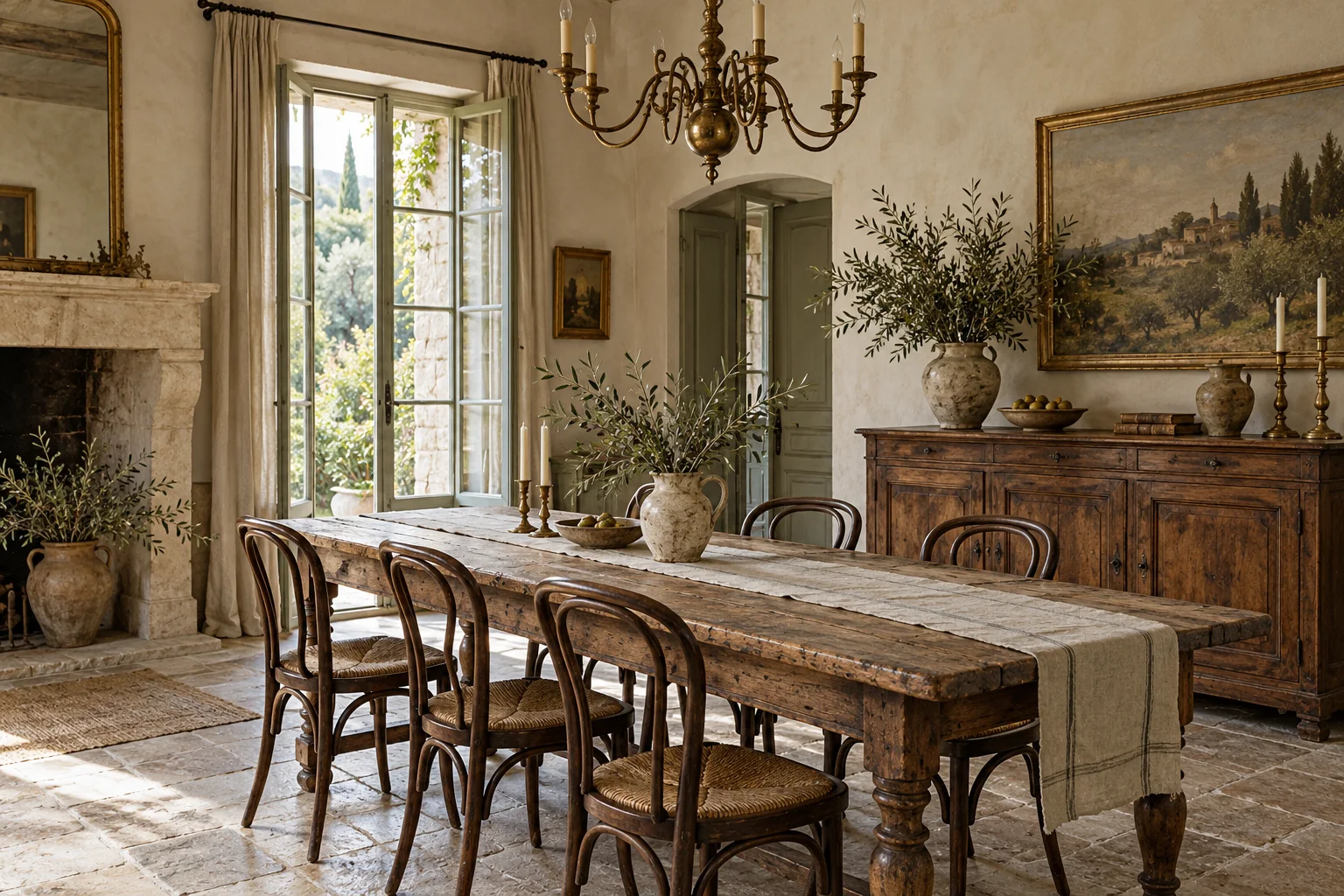 AI-created styling idea
Furniture
Look at the backboards and the top: a younger top is common and should be declared.
Explore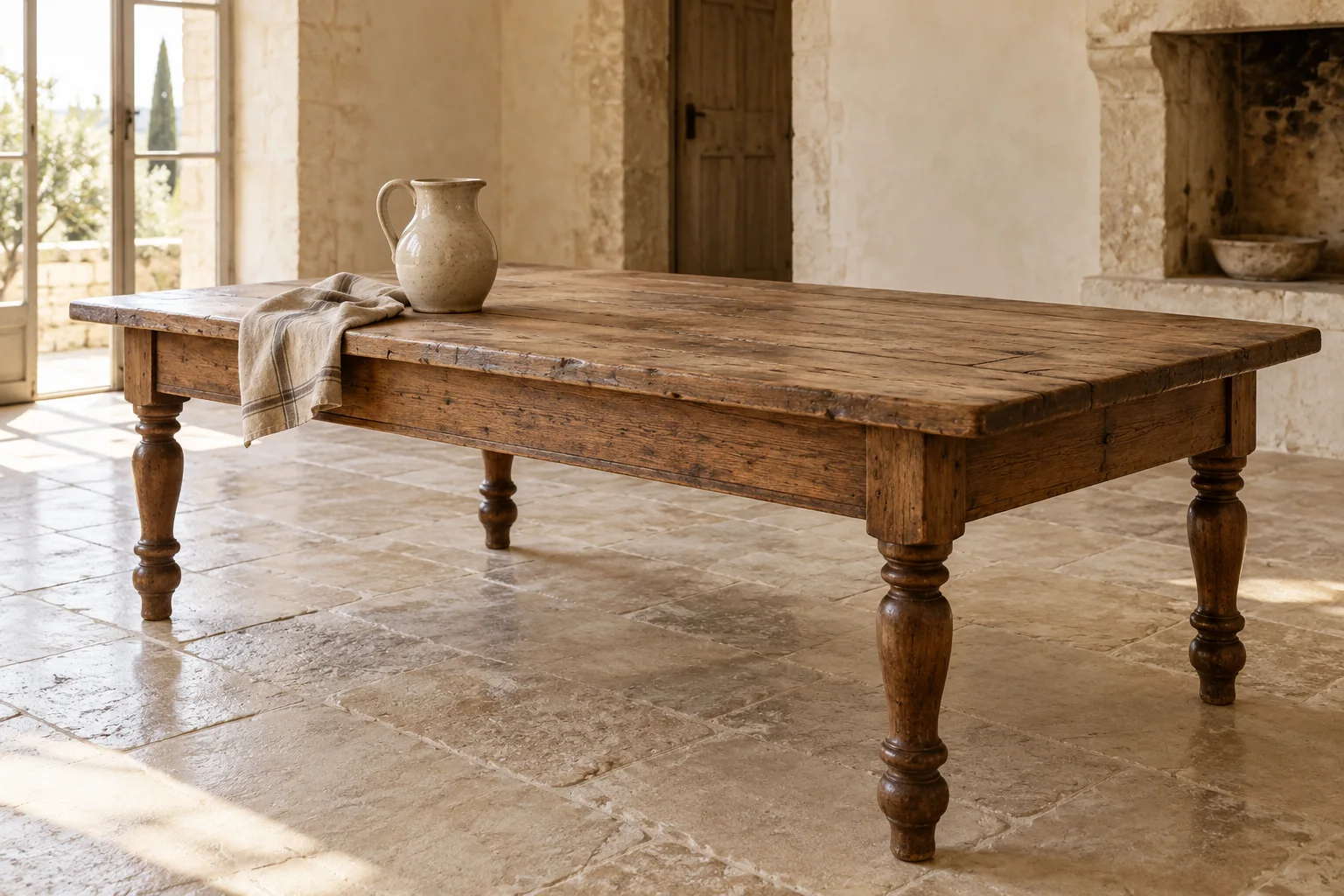 AI-created styling idea
Furniture
Scrubbed or waxed, the top tells the story; measure knee room under the apron.
Explore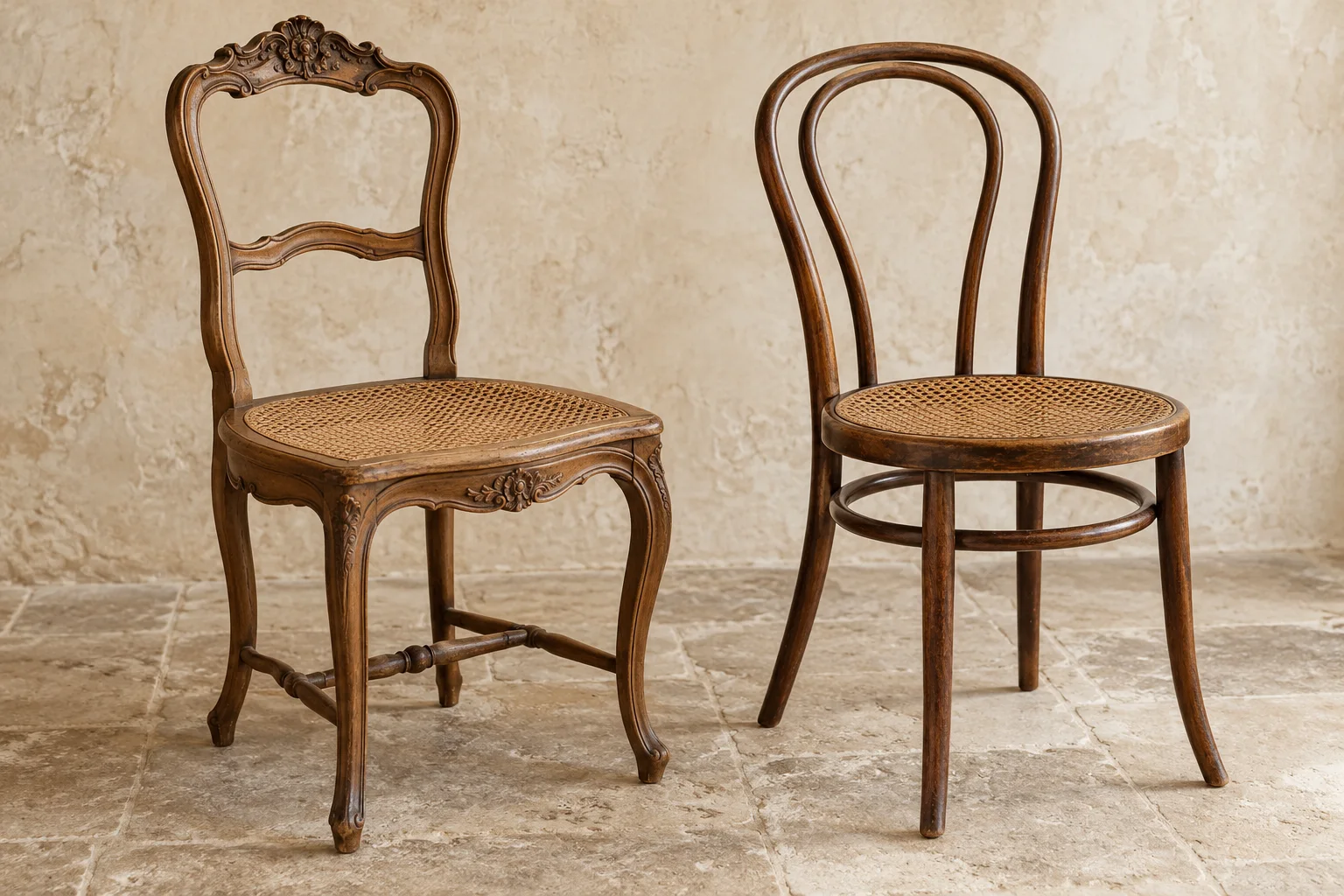 AI-created styling idea
Furniture
Beech, walnut or fruitwood frames: test every joint before the seat.
Explore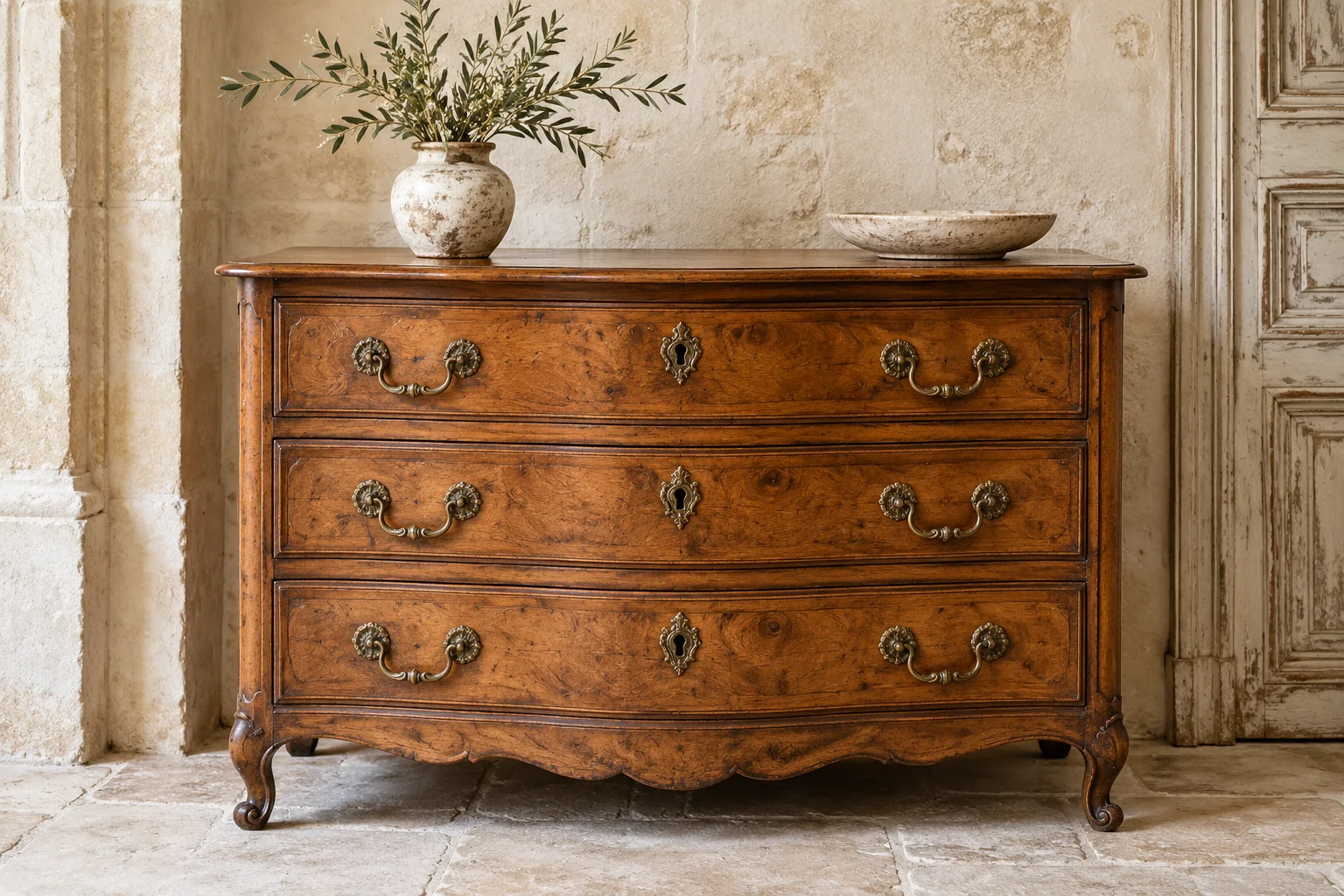 AI-created styling idea
Furniture
Open each drawer: secondary woods, runners and dovetails show age better than the front.
Explore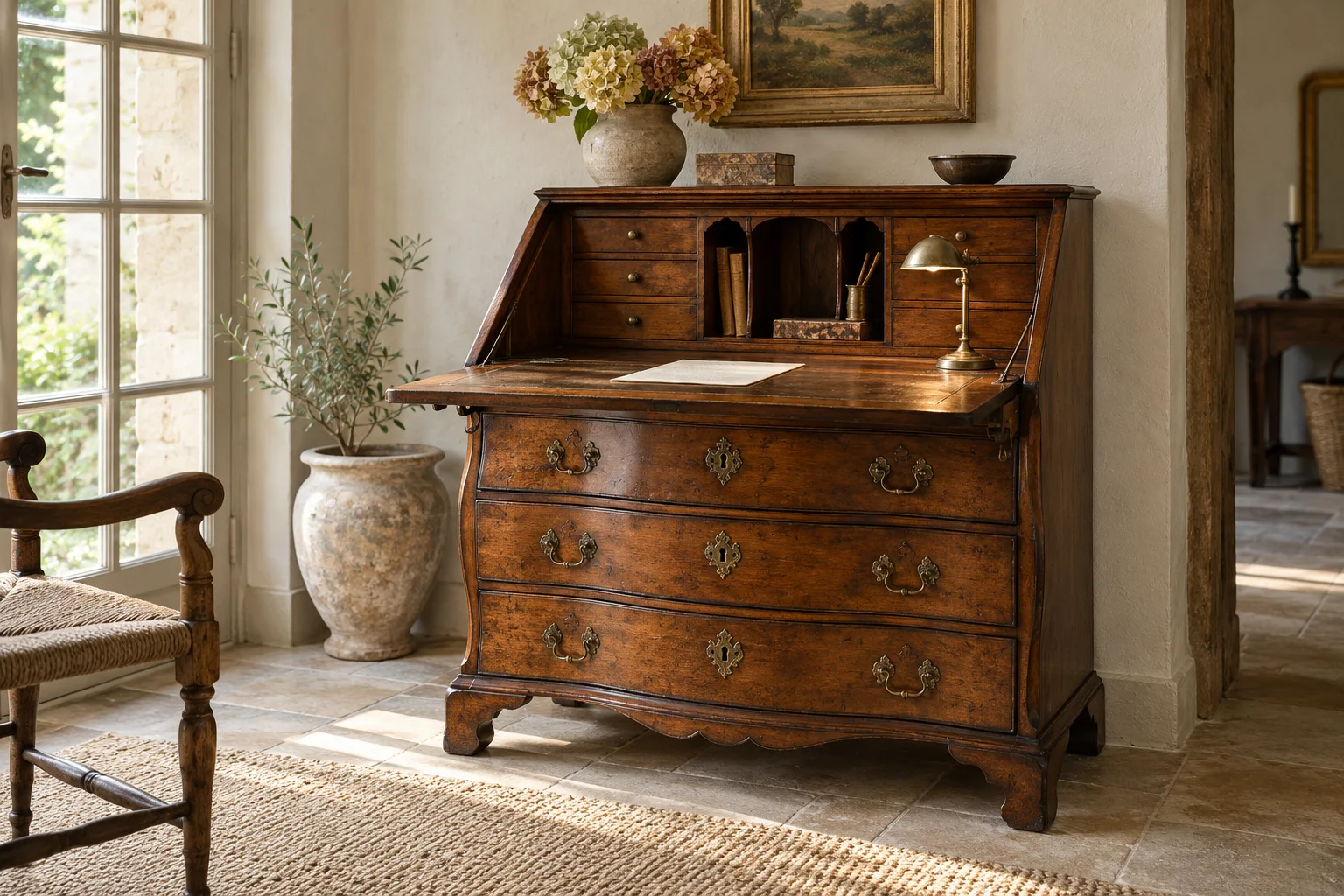 AI-created styling idea
Furniture
Check the writing flap supports and the small drawers for matching wood and wear.
Explore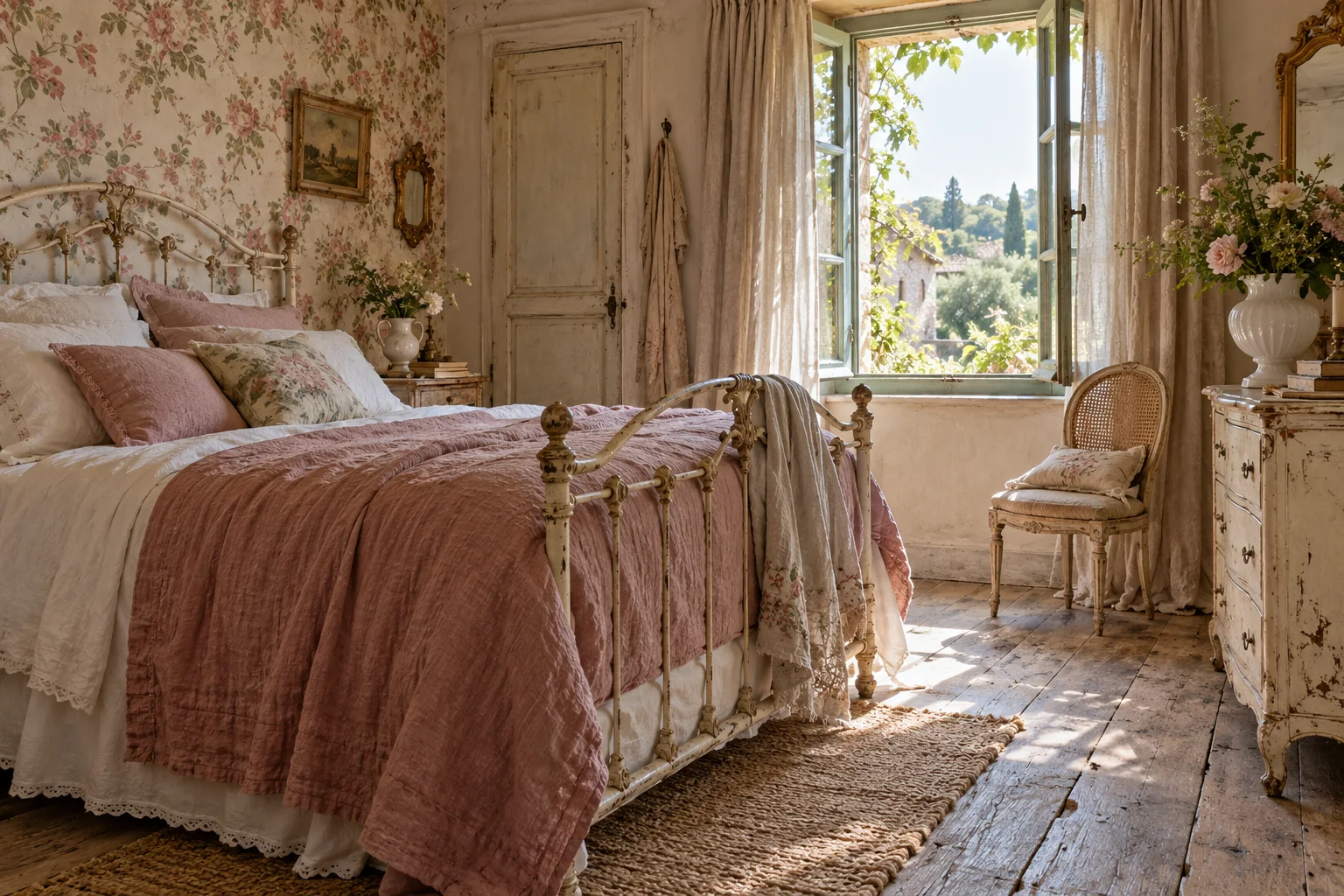 AI-created styling idea
Furniture
Look under the marble or wood top for later repairs, and keep it away from the radiator.
Explore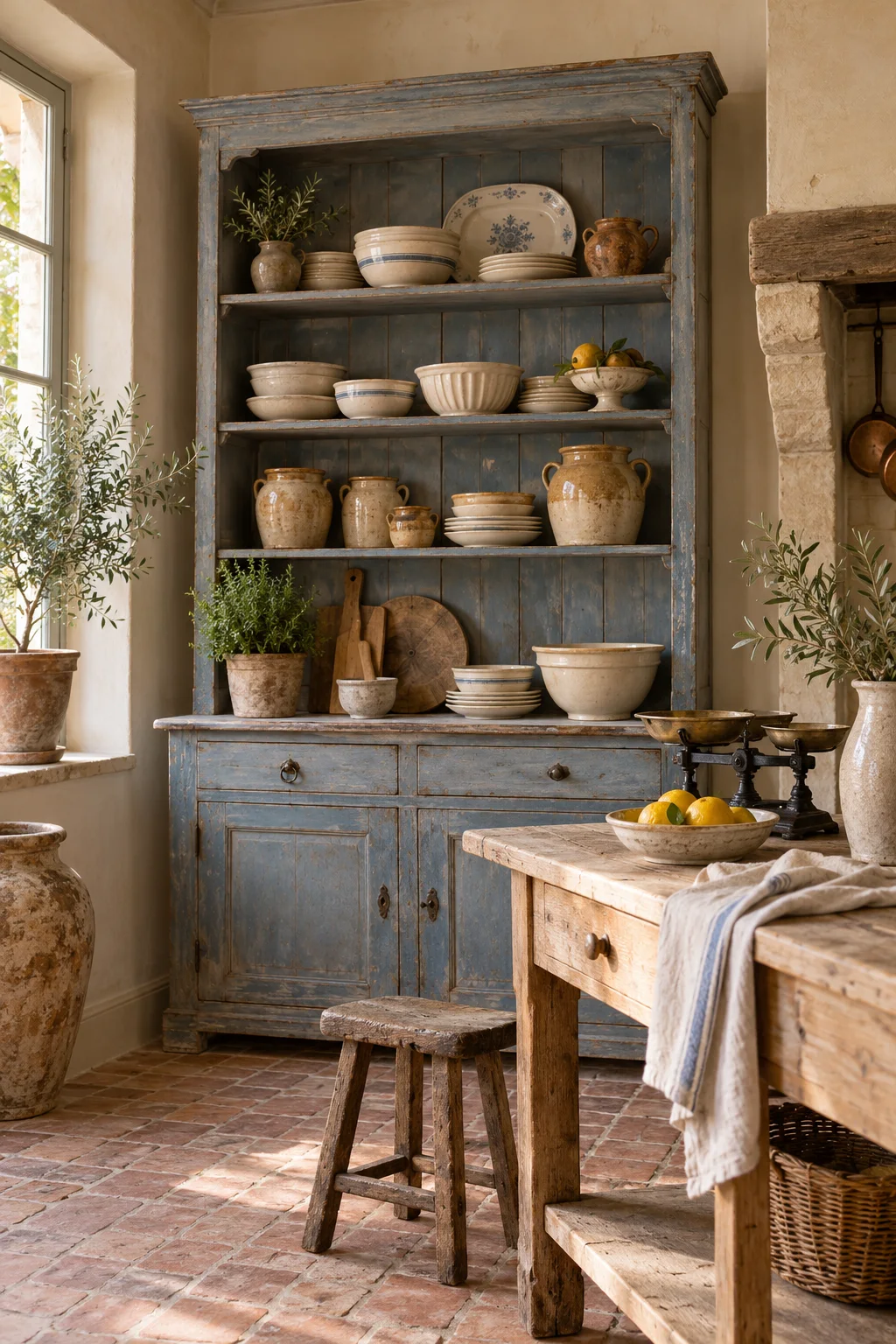 AI-created styling idea
Furniture
A bench seat should be one sound plank, with legs firm in their mortises.
ExploreLook for ray flecks. Quarter-sawn oak shows short, silvery streaks across the grain; chestnut has the same open grain and color but no ray flecks. Chestnut is also slightly lighter in weight. On a flat-sawn board without flecks the two can be hard to separate, so check several surfaces, including the inside of doors and the underside of the top.
Usually not, but check before the piece comes indoors. Old holes have dark, dirty edges and no dust. Active woodworm leaves fresh, pale powder under the holes and holes with clean light edges, most visible in spring and summer. An active infestation needs treatment by a restorer or by controlled freezing or heating before the piece joins other wooden furniture.
Patina is the slow change of color and surface caused by light, air, wax and handling over many years. Distressing is wear added deliberately to make a piece look old. Real wear follows use, on runners, edges and stretchers; distressing is often regular and appears on surfaces nobody touches. Both are acceptable when the seller describes them honestly.
Dust with a soft dry cloth, following the grain, and wipe spills immediately. Apply a thin coat of paste wax once or twice a year on waxed pieces, then buff firmly. Avoid silicone sprays and oil polishes. Do not wax over shellac, French polish or paint without advice, and keep the room at a stable humidity away from radiators.
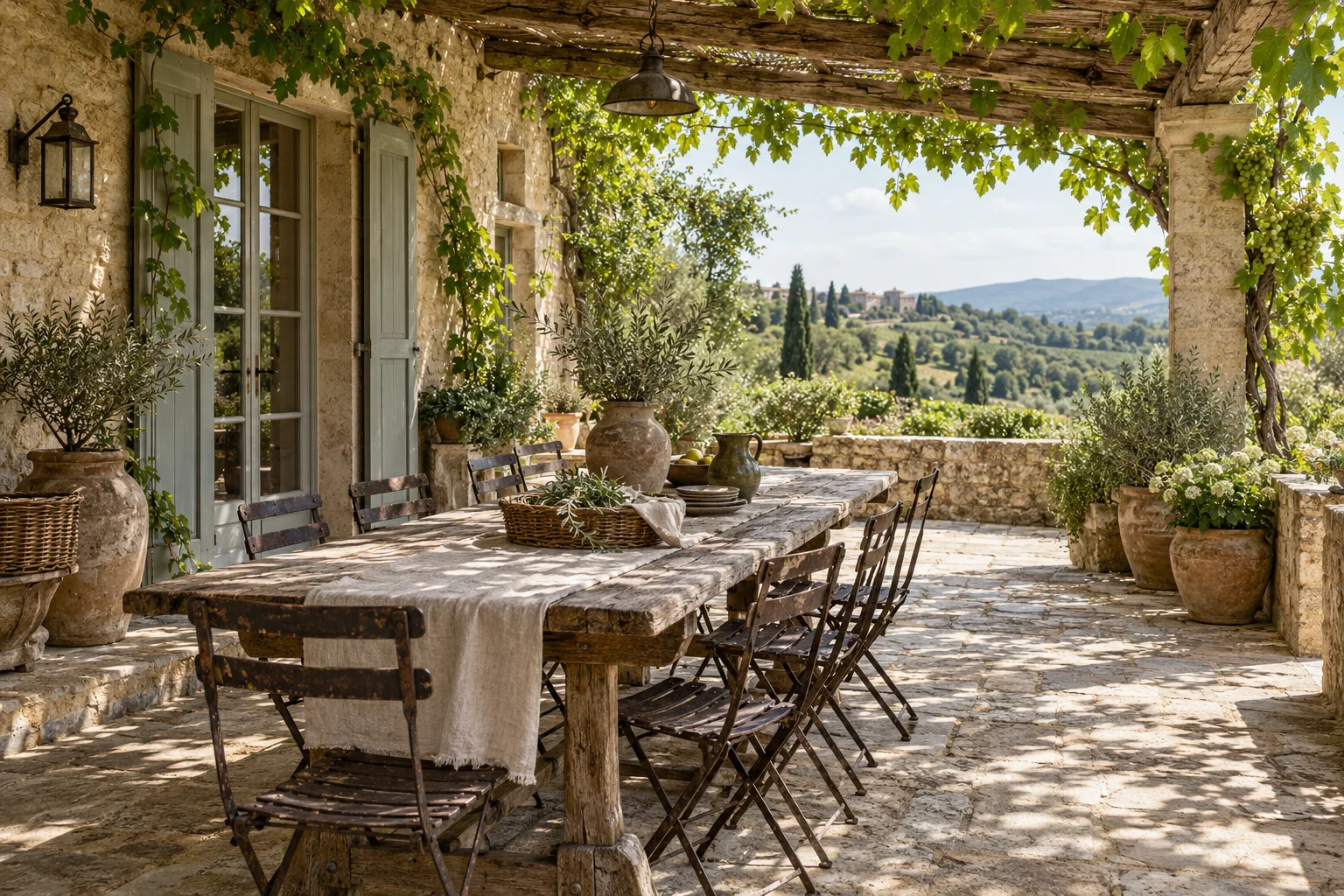
Nov 6, 2026 · Antique guide
Vintage metal chairs bring the terrace indoors.
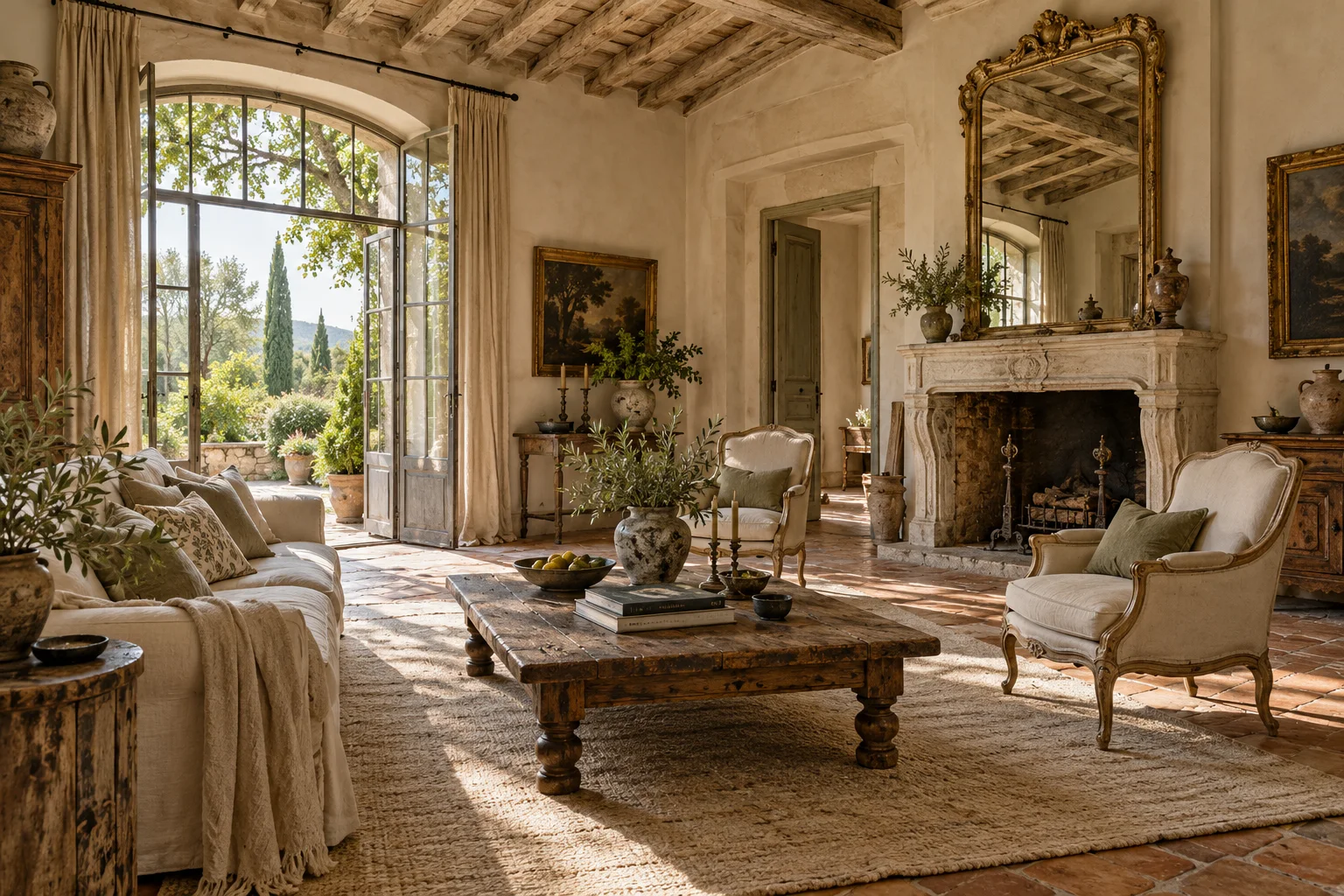
Nov 6, 2026 · Antique guide
Choose the shape and distinguish the condition of the frame from that of the fabric.
Nov 5, 2026 · Antique guide
"Louis XV commode" can mean three different pieces of furniture: a period chest, a later Louis XV style chest, or a regional walnut commode.
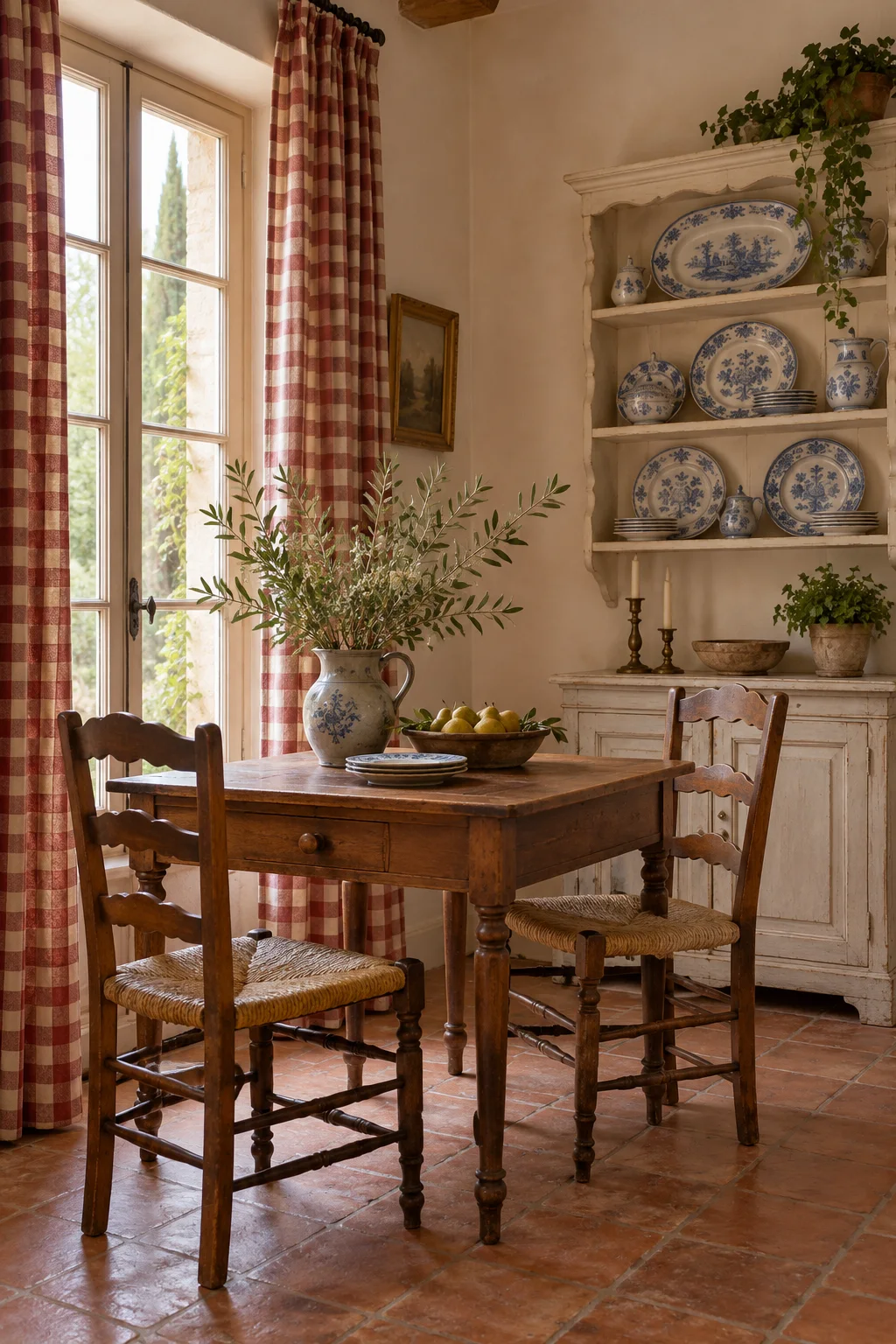
Nov 5, 2026 · Antique guide
Vintage dining chairs made between 1920 and 1970 are the easiest antique seating to live with: factory-made, sturdy, and plentiful enough to assemble a set.
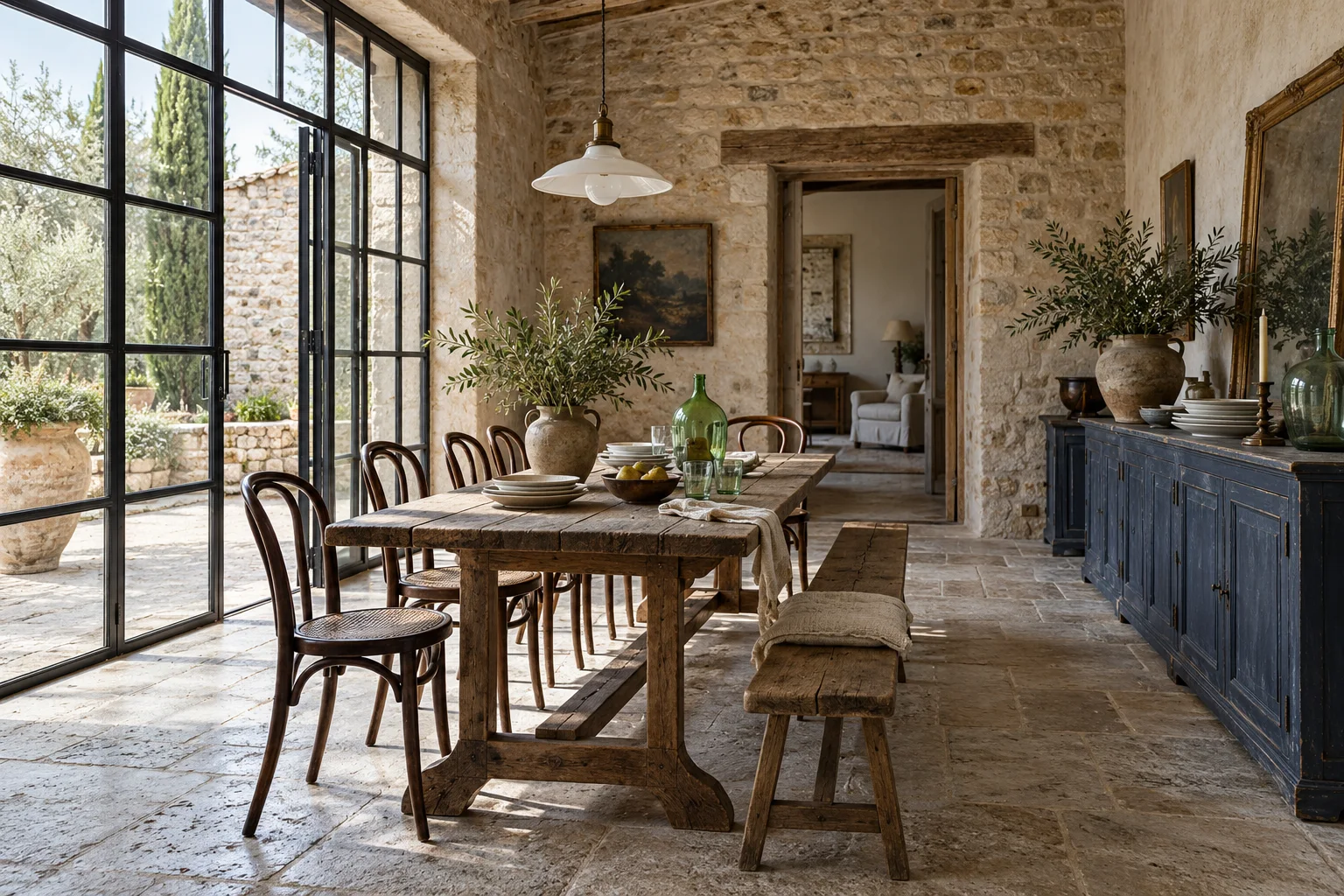
Nov 4, 2026 · Antique guide
Antique dining chairs rarely arrive in the number you need.
Nov 4, 2026 · Antique guide
Compare exterior size, interior storage and delivery constraints when choosing an armoire.